
a creative approach to healing when words fall short
Art Therapy in Philadelphia & Online Across PA
You’ve tried therapy, but you’re still stuck in the same unhelpful patterns.
Maybe you've been in therapy for years, but you still don’t feel better. Or you’ve gotten a lot out of therapy but something still feels missing. You’ve done the work, you’re more self aware, but you’re still feeling triggered by things that seem to come out of nowhere.
Maybe therapy has felt too surface level, and you want to go deeper. But you don't know where to start, or talking about it feels too overwhelming.
Art therapy is an approach that holds space for all of the conflicting feelings that words can't fully capture. Art therapy is queer-affirming at its core, and allows you to explore your experiences on a deeper level. It can be a game-changer in eating disorder recovery, especially if talk therapy has only gotten you so far.

Are you someone who…
Feels overwhelmed when talking about certain topics or shuts down.
Is self-aware and needs more from therapy than just insight.
Rambles in session, and wishes there was more structure.
Struggles to remember details of the past.
Can’t fully open up in session because discussions feel too surface level.
Gets stuck in venting sessions rather than getting to the root of the issue.
What is art therapy?
-
Whether you’re overwhelmed or shut down, creative expression can help you move beyond the thinking part of your brain and connect with your feelings.
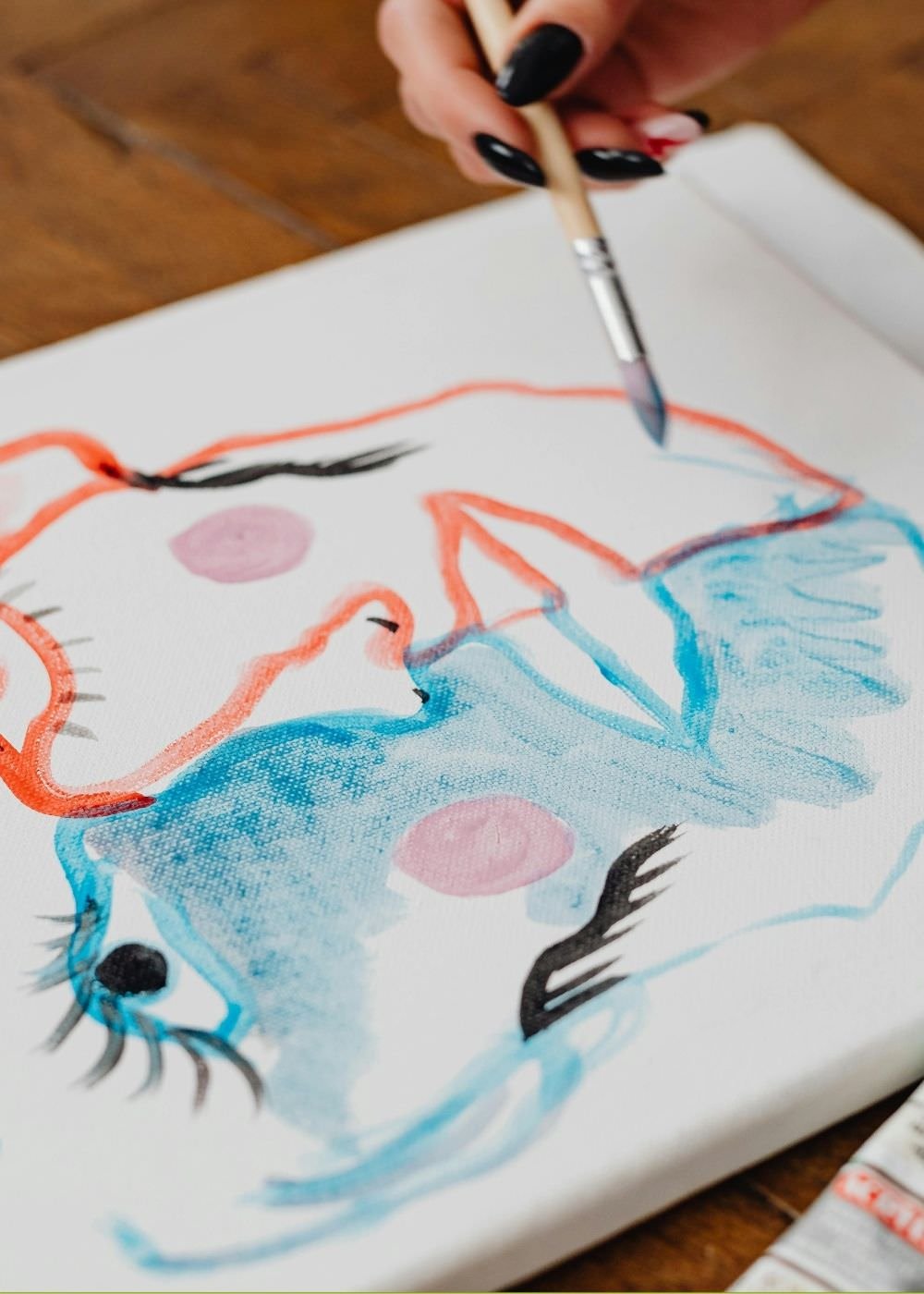
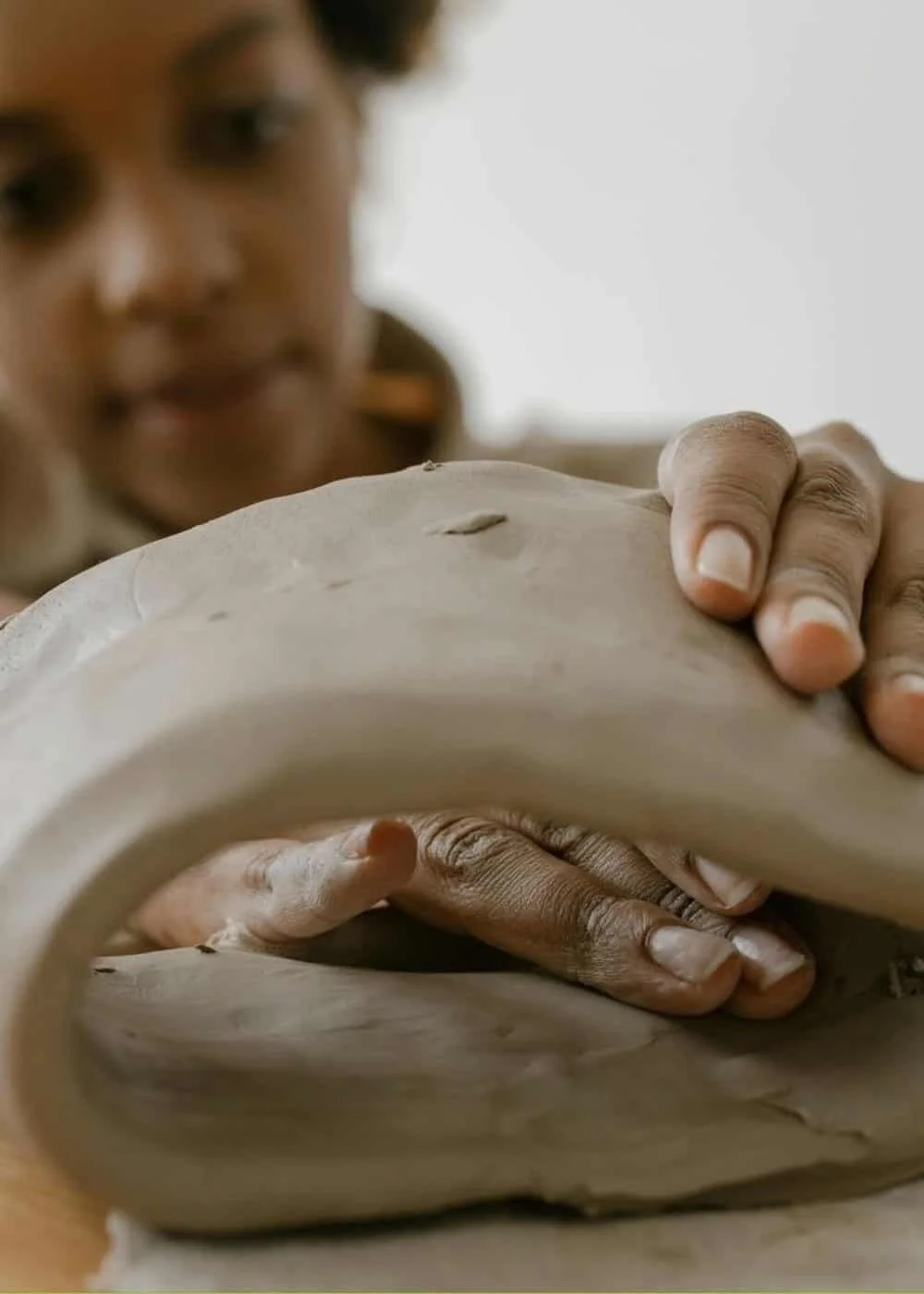
Using simple tools like paint, collage, or clay, you can explore your thoughts and feelings without the pressure to do it perfectly.
When making art, things have a way of coming out in honest and unexpected ways. You might not even realize what you’re feeling until it shows up on paper. Art therapy has a way of bringing things into awareness and gives you the space to gain new perspectives on your experiences.
-
How long are art therapy sessions? Art therapy sessions are 60 minutes or 90 minutes long, and are offered a weekly basis or more frequently.
In-person Art Therapy Sessions You’ll have access to a variety of materials including pencils, markers, crayons, and collage materials. All supplies will be provided by me.
Some supplies I offer
Crayons
Colored pencils
Markers
Paint
Watercolor crayons
Watercolor pencils
Acrylic markers
Paint sicks
Magazine collage materials
clayOnline Art Therapy Sessions:
You’ll provide the art materials yourself. I’ll guide you on what art supplies you’ll need for sessions. I recommend at least having drawing paper, colored pencils, markers, and crayons.
What a Typical Session Looks Like
Sessions might begin with an art prompt that we come up with together. If you’re not sure where to start, I can suggest prompts that relate to your treatment.
Ice-Breaker Art Prompts
Photo Collage - You’ll have access to a bin of pre-cut images and words. This can be a great first step if you’re not sure how you feel about drawing. I might ask you to make a collage about your goals for therapy.
Engaging the Senses- Pick one of the 5 senses (sight, sound, smell, touch, taste) and take a minute to notice that experience. Show me what that looks like using line, shape and color.
Hand-Tracing - Trace the outline of your hand, and draw/write what you feel is within your control inside of the hand, and what you feel is outside of your control outside of the hand print.
Even in art therapy, talking is still important.
The second half of the session would be a conversation about your artwork. I would guide the discussion and make observations, while always centering what the artwork means to you.
-
Art therapy can help you…
Learn to cope with making mistakes without beating yourself up.
Explore your identity and lived experience in a visual, embodied way.
Release feelings around past experiences.
Rewrite narratives that don’t belong to you.
Put your thoughts and feelings on paper, so you can gain distance from them and start to understand them more clearly.
Increase mindfulness by staying grounded in the present moment through art-making.
You are in control of the process, and we’ll always go at your pace. I’ll frequently check in with you to see how you’re feeling throughout the process, and there will always be the option to take a break if things feel too overwhelming.
Do I need to be good at art to do art therapy?
Artistic background is not required to experience the benefits of art therapy. You don’t need to be “artsy” or think of yourself as a creative person.
There is no right or wrong way to make art in art therapy. The artistic process doesn’t need to lead to something you would display (though you can if you wanted to!)
You don’t need to make art that is pretty, perfect, or even understand what comes up. The most effective work comes from unexpected places.
You may be offered the chance to try different art materials, but no skill is required
Are you a credentialed art therapist or a therapist who just uses art sometimes?
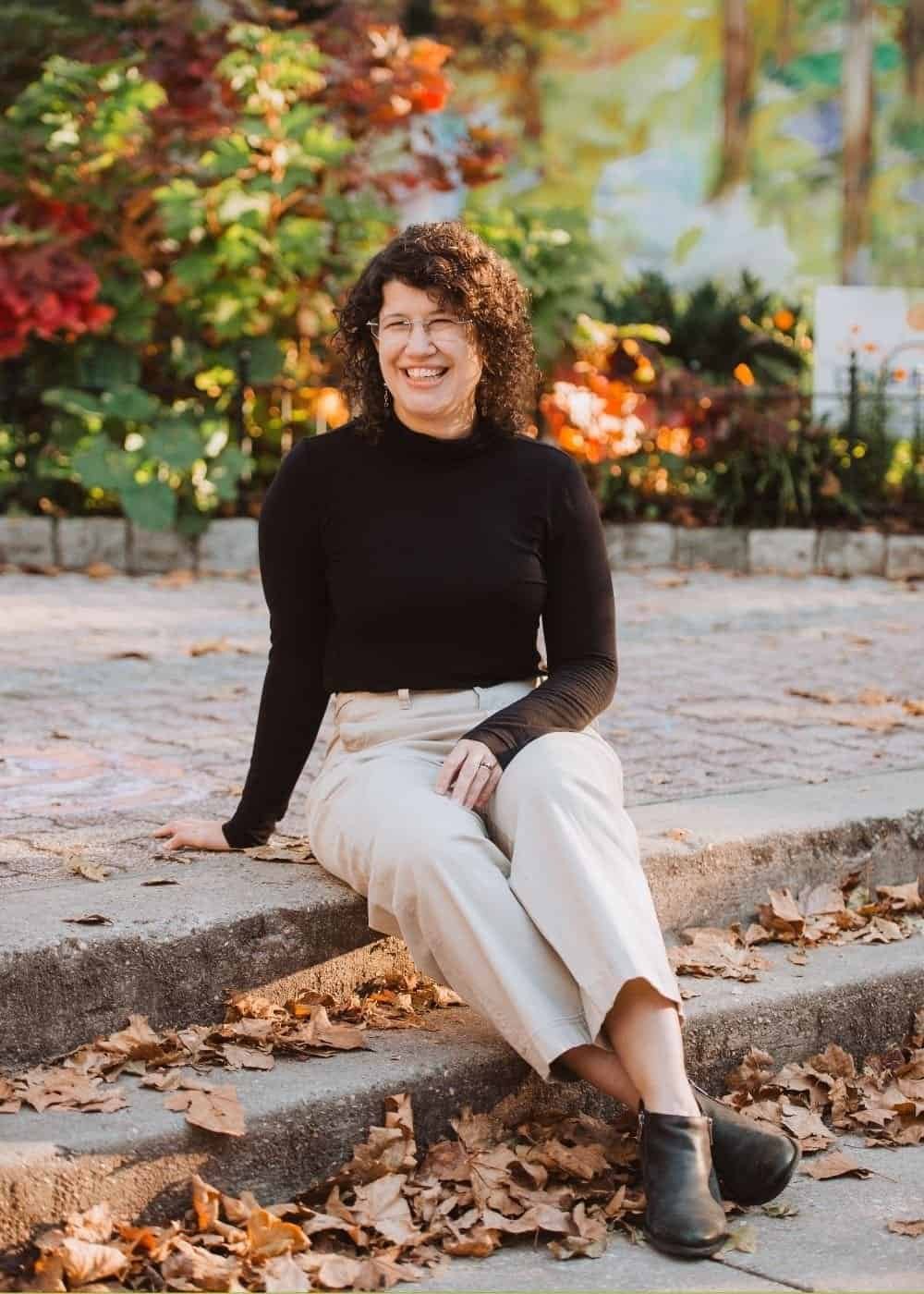
I am a Registered and Board-Certified Art Therapist through the American Art Therapy Association. My credentials include a master’s degree in art therapy with over 15 years of clinical experience and supervision.
As an art therapist, I use the creative process to address complex mental health struggles including eating disorders and trauma. There is careful consideration of the type of art materials we use that will support your mental health needs. Art therapy is rooted in our therapeutic relationship, and art directives are decided together based on your unique goals in treatment.
Can art therapy help with eating disorders?
Traditional eating disorder recovery models often center heteronormative assumptions that can feel alienating to queer people. My approach to eating disorder therapy is nuanced, creating space for recovery that aligns with your true self. Art therapy can allow you to explore your relationship with food in a way that is less overwhelming.

How do you combine art therapy with traditional talk therapy?
I integrate art therapy with other therapeutic approaches, including IFS therapy and psychodynamic therapy. Art therapy sessions always include time to talk about your art work and how it relates to your goals. The talking part of an art therapy session is equally important.

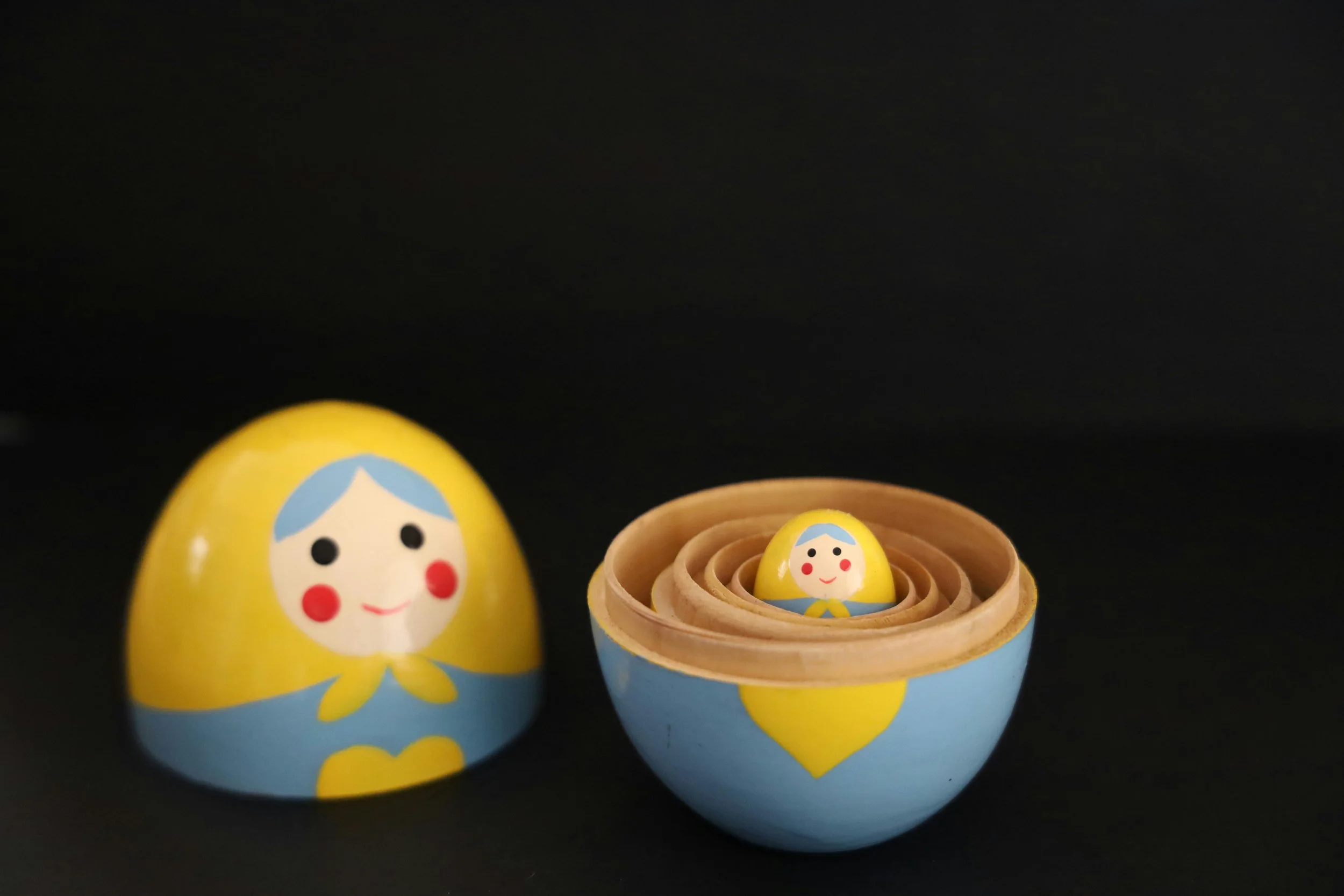
Internal Family Systems (IFS)
Explore you inner world by creating artwork of your parts.You can draw your Inner Critic and create a visual representation of your eating disorder part. Learn more about IFS therapy.
Psychodynamic Therapy
Psychotherapy helps bring unconcious patterns into awareness by exploring your past and present relationships. Learn more about psychodynamic therapy.

What we’ll work on
With Art Therapy, you can…
Connect to your body’s senses through the feel of clay or the motion of painting to calm your nervous system and ground you in the moment.
Let go of perfectionism in a safe, supportive environment so you can manage your anxiety better outside of the therapy room.
Release thoughts and feelings on paper, so they feel less overwhelming and more manageable. Externalizing your inner world helps increase self-awareness.
Clear the brain fog and connect to what actually matters to you, so you can move forward feeling more like yourself.
Understand your conflicting thoughts around your body in a way that is queer and gender affirming.
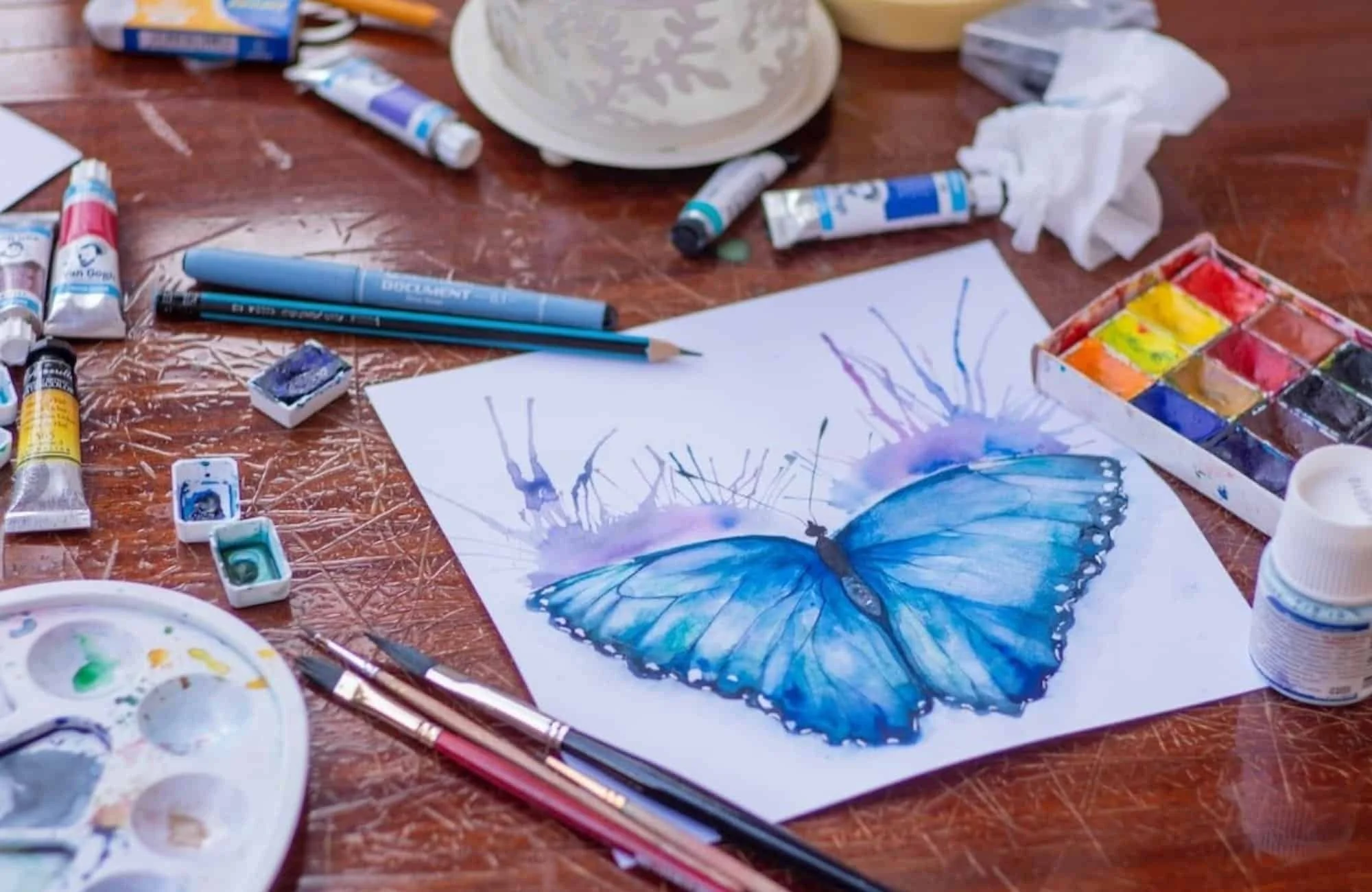
When talking isn’t enough, creating opens the door to change
Art therapy helps you get unstuck in ways words never could.
Questions?
FAQs
Do you offer in-person sessions?
Yes, I offer in person sessions on Mondays, Wednesdays and Thursdays at my office in Society hill, Philadelphia.
Can I do art therapy online?
Yes. Art therapy is offered for in person and telehealth. The only difference is you would need to provide your own supplies for telehealth. We can accomplish a lot in an art therapy session with basic drawing supplies such colored pencils and paper.
Do I need to bring art supplies?
For in person sessions, no. All supplies will be provided for you in session.
For online therapy, you will have to provide your own supplies. You only need basic drawing supplies like paper, pencils, crayons and markers.
What is art therapy and how is different from regular art class?
Art therapy is a form of psychotherapy that uses creative expression as a tool for healing and self-discovery. Unlike an art class, the focus isn't on technique, skill, or creating something aesthetically pleasing. Instead, I use the art-making process to help you explore emotions, uncover patterns, and access parts of your experience that might be difficult to put into words. The artwork becomes a starting point for deeper conversation and insight, not the end goal.
What types of art materials will I use in sessions?
I offer a variety of materials depending on what feels right for you and what we're exploring together. This might include drawing materials like markers, colored pencils, and pastels, as well as collage materials, paint, clay, or mixed media. Some clients gravitate toward one medium while others like to experiment. I'll introduce you to different options and we'll discover together what resonates with you and supports your therapeutic goals.
Can art therapy help with body image struggles?
Art therapy offers a unique way to explore your relationship with your body and your self-image without relying solely on words. Many people find that body image struggles are connected to emotions and experiences that are hard to articulate. Through art-making, you can externalize these internal experiences, gain new perspectives, and process difficult feelings in a way that feels less confrontational than direct conversation. It can also help you reconnect with your body in a gentle, creative way. I offer body image counseling for transgender individuals.
Learn More About Body Image Counseling
What does a typical art therapy session look like?
Every session is different depending on where you are and what you're working through. Sometimes we might start with a specific art directive or prompt that relates to your goals. Other times, you might create spontaneously and we'll explore what emerges together. We always leave time to reflect on the process and discuss what came up for you. I create a relaxed, nonjudgmental space where you can explore at your own pace.
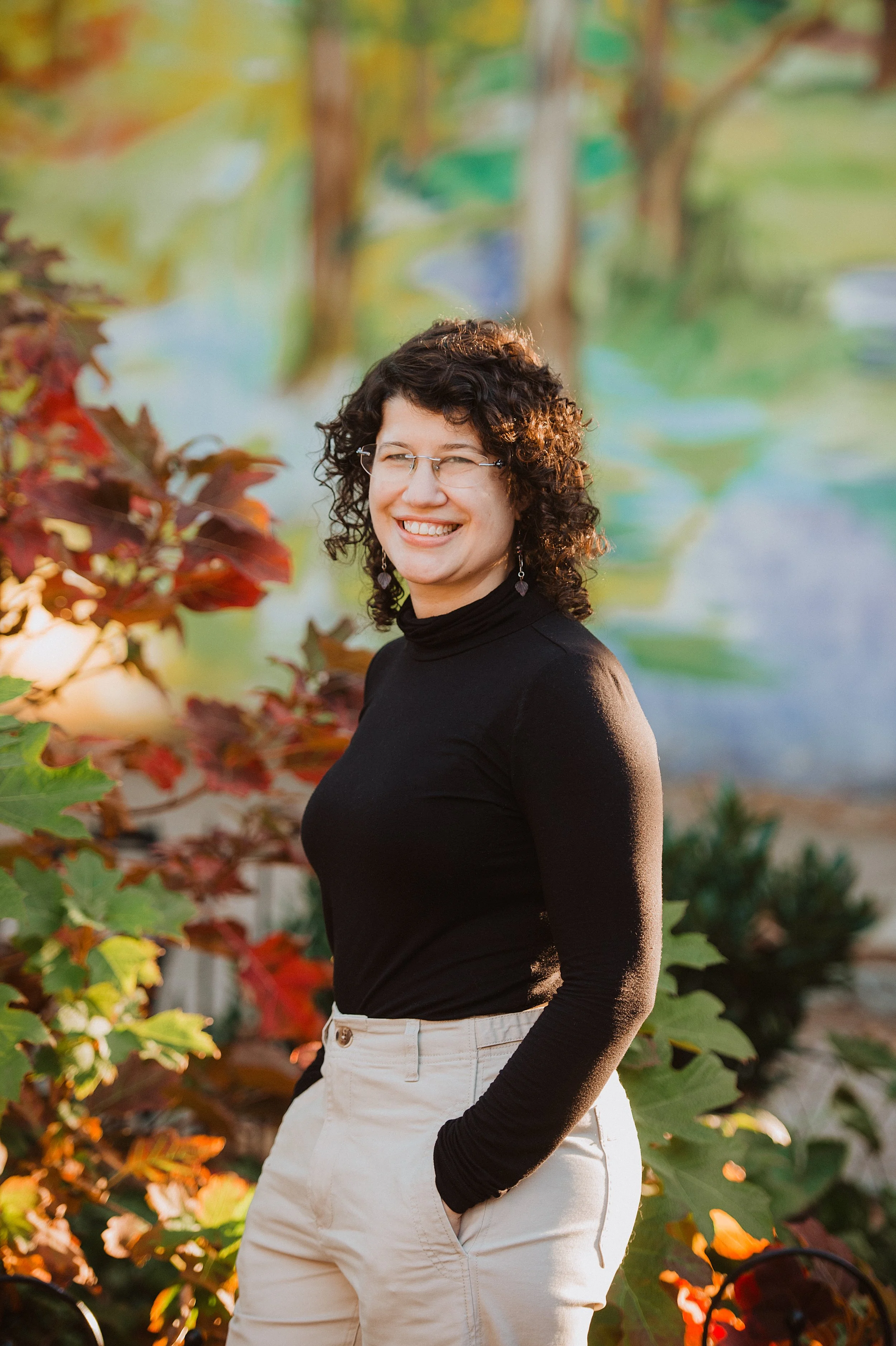
Why Choose My Art Therapy Services?
As a registered and board-certified art therapist with over 15 years in practice, I offer something unique in Philadelphia's mental health landscape.
Unlike approaches that pathologize uniqueness, I aim to create a space where you can be your whole self. As a gender-affirming therapist, I combine lived experience and advanced training in eating disorders, OCD, and trauma to support your goals.
As a white, queer, cisgender therapist, I’ll never fully know what it’s like to be you. However, I am committed to meeting you where you are with curiousity and openness. The structures in our world impact us, and I invite conversations about how those societal pressures impact your lived experience.
Art therapy becomes not just a tool for healing but a celebration of your authentic self—acknowledging that your queerness or transness isn't a problem to solve but an integral part of who you are.