
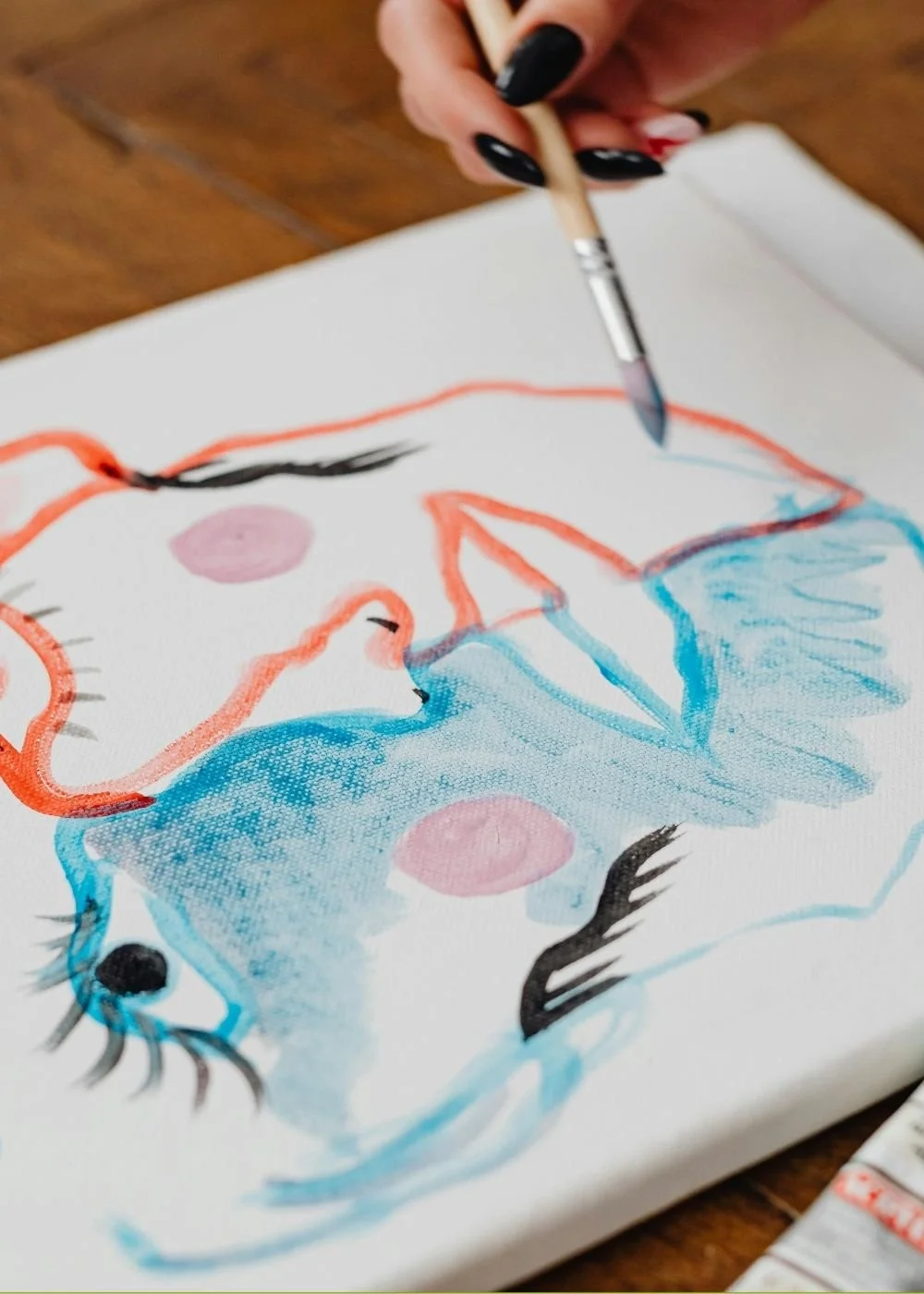
Art Therapist in Pittsburgh, PA
A Creative Approach to Healing When Words Fall Short
Art therapy for LGBTQ individuals, career professionals, and college students. Online in Pittsburgh, PA.
Art Therapy for Stress and Anxiety in Pittsburgh, PA
Pittsburgh is a dream city if you work in tech or healthcare, but it feels like it comes with a cost. Your brain is constantly stuck in over-drive to the point where you can’t rest. Competition in the workplace is high, and you’re constantly trying to prove yourself to stay ahead. Your emotional well-being keeps taking the backseat to all of the other demands from school or your job.
Whether you’re in Highland Park, Fox Chapel, or Mt. Lebanon, many career professionals find themselves burned out, and don’t realize it until their relationships suffer. Some people need to get out of their heads so they can connect with what they want for themselves.
Art therapy provides a space where people can slow down and release everything they have pent up inside. Art therapy helps you tap in your own creativity to reduce stress and gain clarity about your life.
You deserve to the space to turn off your brain and just be.
Is the stress of work life in Pittsburgh taking a toll on your sanity?
Living in Pittsburgh, PA can put unique pressures on your relationships, work-life balance, and career goals.
Demanding careers with long hours,inconsistent schedules and draining commutes leave little time or energy for your hobbies
Financial pressure from rising cost of living
Competitive job market and toxic workplace environments making you dread going to work
LGBTQ stressors such as discrimination, micro-aggressions, and identity-related challenges add extra stress to your job, especially if your work place isn’t queer affirming
Burnout from having to constantly mask and adhere to expectations that are not neurodivergent-affirming
Divorce, relationship conflict and loneliness due to anxiety becoming unmanageable.
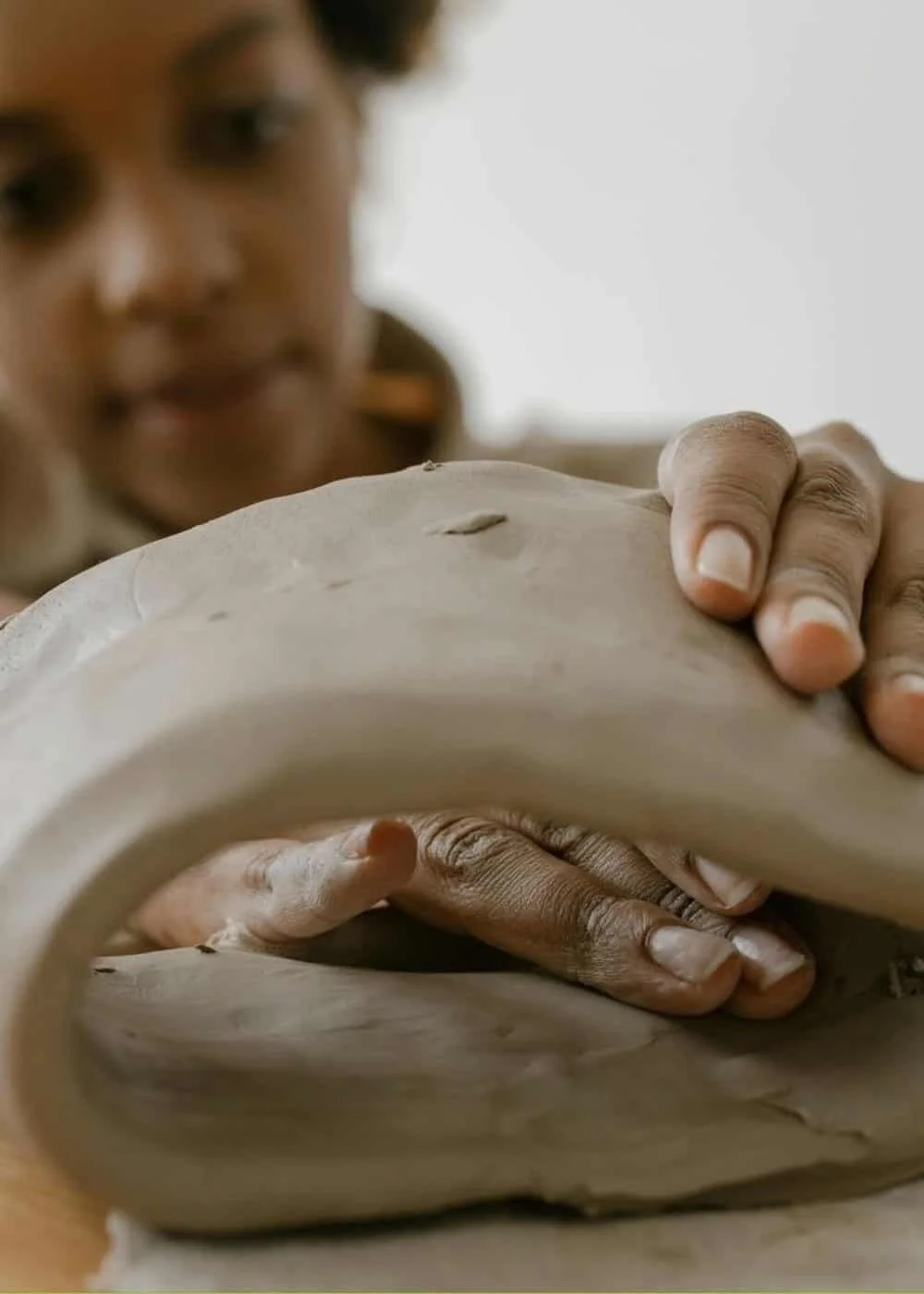
What is art therapy?
-
Whether you’re overwhelmed or shut down, creative expression can help you move beyond the thinking part of your brain and connect with your feelings. It’s a powerful way to process your experiences, feel more grounded, and begin to heal at a pace that works for you.
Using simple tools like paint, collage, or clay, you can explore your thoughts and feelings without the pressure to do it perfectly.
When making art, things have a way of coming out in honest and unexpected ways. You might not even realize what you’re feeling until it shows up on paper. Art therapy has a way of bringing things into awareness and gives you the space to gain new perspectives on your experiences.
-
How long are art therapy sessions? Art therapy sessions are 60 minutes or 90 minutes long, and are offered a weekly basis or more frequently.
For in person sessions, you’ll have access to a variety of materials and techniques, but we won’t rush through the process. You don’t have to be "ready" or know what to create. Just showing up is enough.
For online sessions, you’ll provide the art materials yourself. I’ll guide you recommended art supplies for the session.
First Session
I’ll spend some time getting to know you and what’s bringing you to therapy at this time. Together, we’ll define what you want out of therapy and your specific goals.
The first three sessions are a chance to see if it’s a good fit for both of us. So there’s no pressure to commit right away, and you always have the option to end therapy at any time.
What a Typical Session Looks Like
Sessions might begin with an art prompt that we come up with together. If you’re not sure where to start, I can suggest prompts that relate to your treatment.
Ice-Breaker Art Prompts
Photo Collage - You’ll have access to a bin of pre-cut images and words. This can be a great first step if you’re not sure how you feel about drawing. I might ask you to make a collage about your goals for therapy.
Engaging the Senses- Pick one of the 5 senses (sight, sound, smell, touch, taste) and take a minute to notice that experience. Show me what that looks like using line, shape and color.
Hand-Tracing - Trace the outline of your hand, and draw/write what you feel is within your control inside of the hand, and what you feel is outside of your control outside of the hand print.
Even in art therapy, talking is still important.
The second half of the session would be a conversation about your artwork. I would guide the discussion and make observations, while always centering what the artwork means to you.
-
It’s not about making something beautiful or "doing it right." It’s about:
Learning to better cope with making mistakes without beating yourself up.
Exploring your identity and lived experience in a visual, embodied way.
Releasing feelings around past experiences.
Rewriting narratives that don’t serve you.
Putting your thoughts and feelings on paper, so you can gain distance from them and start to understand them more clearly.
Increasing mindfulness by staying grounded in the present moment through art-making.
You are in control of the process, and we’ll always go at your pace. I’ll frequently check in with you to see how you’re feeling throughout the process, and there will always be the option to take a break if things feel too overwhelming.

Online Art Therapy for Busy Career Professionals, Healthcare Workers, and College Students
Therapy doesnt’ have to be one more thing that gets de-prioritized in your life.
As a working professional or college student, you don’t have the time to sit in traffic at Squirrel Hill Tunnel or Fort Pitt tunnel. As a registered and board-certified art therapist with over 15 years of experience, I offer online art therapy services to busy career professionals, queer and transgender adults, and college students in Pittsburgh. Online therapy allows you to access care from your home, office or any place that is private.

Therapy Services
While powerful on its own, I integrate art therapy with other therapeutic approaches for comprehensive mental health care:

Internal Family Systems (IFS)
Visual representations of different parts of yourself help understand internal conflicts around identity, recovery, or relationships. Learn more about IFS therapy.
Psychodynamic Therapy
Patterns in your artwork reveal unconscious conflicts or defenses, providing material for deeper exploration within the psychotherapeutic relationship. Learn more about psychodynamic therapy.

What we’ll work on
Is Art Therapy Right For You?
I work with teens and adults across all identities and walks of life. My approach to art therapy is a good fit for…
LGBTQ teens and adults, transenger individuals, and gender-questioning folks who are looking for a different approach than talk therapy.
Career professionals who are struggling with self-worth, low confidence, and imposter syndrome.
College students and med students who are feeling burned out, and who are looking for a mind-body approach to therapy
Teens and adults who struggle to open up in talk therapy or feel overwhelmed by talking
People who find themselves venting in therapy sessions without getting to the deeper issues
Adults and teens navigating ADHD, autism, AuDHD, and neurodiversity
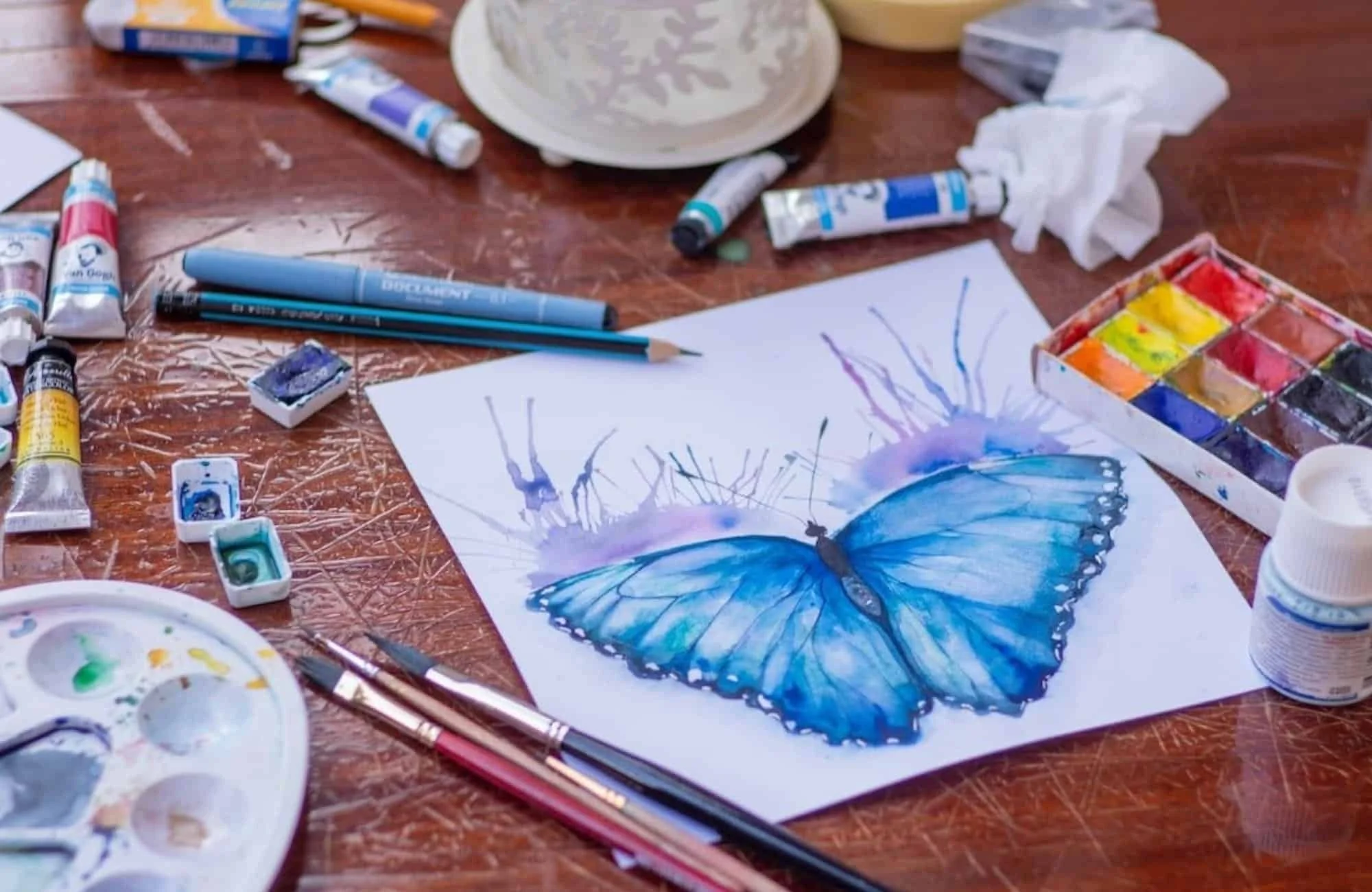
When talking isn’t enough, creating opens the door to change
Art therapy helps you get unstuck in ways words never could.
Questions?
FAQs
Do you offer in-person sessions in Pittsburgh, PA?
No, my office is based in Philadelphia. I only offer online therapy sessions to individuals in Pittsburgh and all of PA.
Do you offer online art therapy to people in Pittsburgh, PA?
Yes! Online therapy sessions are held over a HIPPA-client platform (Zoom) and can be accessed from any area in PA as long as the space is private.
Do you offer gender-affirming therapy in Pittsburgh, PA?
Yes. LGBTQ and gender affirming care is central to the work I do. As a queer therapist, I am passionate about helping queer and trans people find confidence and meaning in their lives.
Do I need to be artistic or creative?
Artistic background is not required to experience the benefits of art therapy. You don’t need to be “artsy” or think of yourself as a creative person.
There is no right or wrong way to make art in art therapy. The artistic process doesn’t need to lead to something you would display (though you can if you wanted to!)
You don’t need to make art that is pretty, perfect, or even understand what comes up. The most effective work comes from unexpected places.
You may be offered the chance to try different art materials, but no skill is required.
How does online art therapy in Pittsburgh work?
You will need to have basic art supplies for online art therapy sessions. You can work with whatever you have in your house, or I will supply a list of recommended art supplies. Basic drawing supplies like pencils, crayons and markers is all you need for art therapy sessions, but we can expand beyond that based on your needs. Art therapy sessions can involve collage making, painting, and clay.
Sessions are 60 minutes or 90 minutes long, depending on your goals. Sessions begin with an art prompt that we come up with together, or I can suggest one based on your needs
Do I need to bring art supplies?
For in person sessions, no. All supplies will be provided for you in session.
For online therapy, you will have to provide your own supplies. You only need basic drawing supplies like paper, pencils, crayons and markers.
Do you have experience working with tech professionals in Pittsburgh?
Yes, especially queer and transgender individuals navigating identity struggles and coming out in the workplace. I understand that trans tech professionals might experience daily microaggressions and lack of support from their cisgender coworkers. Lack of representation in executive and leadership roles can cause trangender individuals to feel alienated. Lack of gender neutral bathrooms and protections on a HR level add more stress for trans professionals. I offer identify-affirming care where trans folks can be their full selves. Art therapy is an expansive modality that makes room for all aspects of queer and trans experiences.
Do you work with med students and understand the pressures of medical school in Pittsburgh?
Yes. Many of the folks I work with are busy balancing classes, residency, and internships while trying to take care of themselves. I understand that expectations placed on medical students are beyond their control and they are doing their best to make it through the week. Attending therapy sessions is one way med students can carve out time for themselves and we focus on other ways to do that in their lives.
Do I need to be good at art to benefit from art therapy?
Absolutely not. Art therapy has nothing to do with artistic talent or ability. You don't need any prior experience with art, and there's no "right" way to create in our sessions. Many of my clients haven't picked up a crayon since childhood, and that's completely fine. The value is in the process itself, not the product. If you can make a mark on paper, you can do art therapy.
What types of art materials will I use in sessions?
I offer a variety of materials depending on what feels right for you and what we're exploring together. This might include drawing materials like markers, colored pencils, and pastels, as well as collage materials, paint, clay, or mixed media. Some clients gravitate toward one medium while others like to experiment. I'll introduce you to different options and we'll discover together what resonates with you and supports your therapeutic goals.
Does art therapy help with anxiety and career burnout?
Absolutely. Art therapy helps you get out of your head and connect with what’s right in front of you. The creative process allows for you both to release anxiety while also staying grounded in the present. Research shows that art therapy is beneficial for stress reduction by lowering heart rate and regulating your nervous system.
How does art therapy help with eating disorder and body image struggles?
Art therapy offers a unique way to explore your relationship with your body, food, and self-image without relying solely on words. Many people find that eating disorders and body image struggles are connected to emotions and experiences that are hard to articulate. Through art-making, you can externalize these internal experiences, gain new perspectives, and process difficult feelings in a way that feels less confrontational than direct conversation. It can also help you reconnect with your body in a gentle, creative way.
Can art therapy be combined with other therapeautic approache?
Yes, and I often integrate art therapy with other modalities I offer, such as Internal Family Systems and psychodynamic therapy. The approach I take is always personalized based on what you need. Some sessions might be primarily art-based, while others might involve more talking, and many sessions blend both. We'll work together to find the balance that supports your healing journey most effectively.
What does a typical art therapy session look like?
Every session is different depending on where you are and what you're working through. Sometimes we might start with a specific art directive or prompt that relates to your goals. Other times, you might create spontaneously and we'll explore what emerges together. We always leave time to reflect on the process and discuss what came up for you. I create a relaxed, nonjudgmental space where you can explore at your own pace.
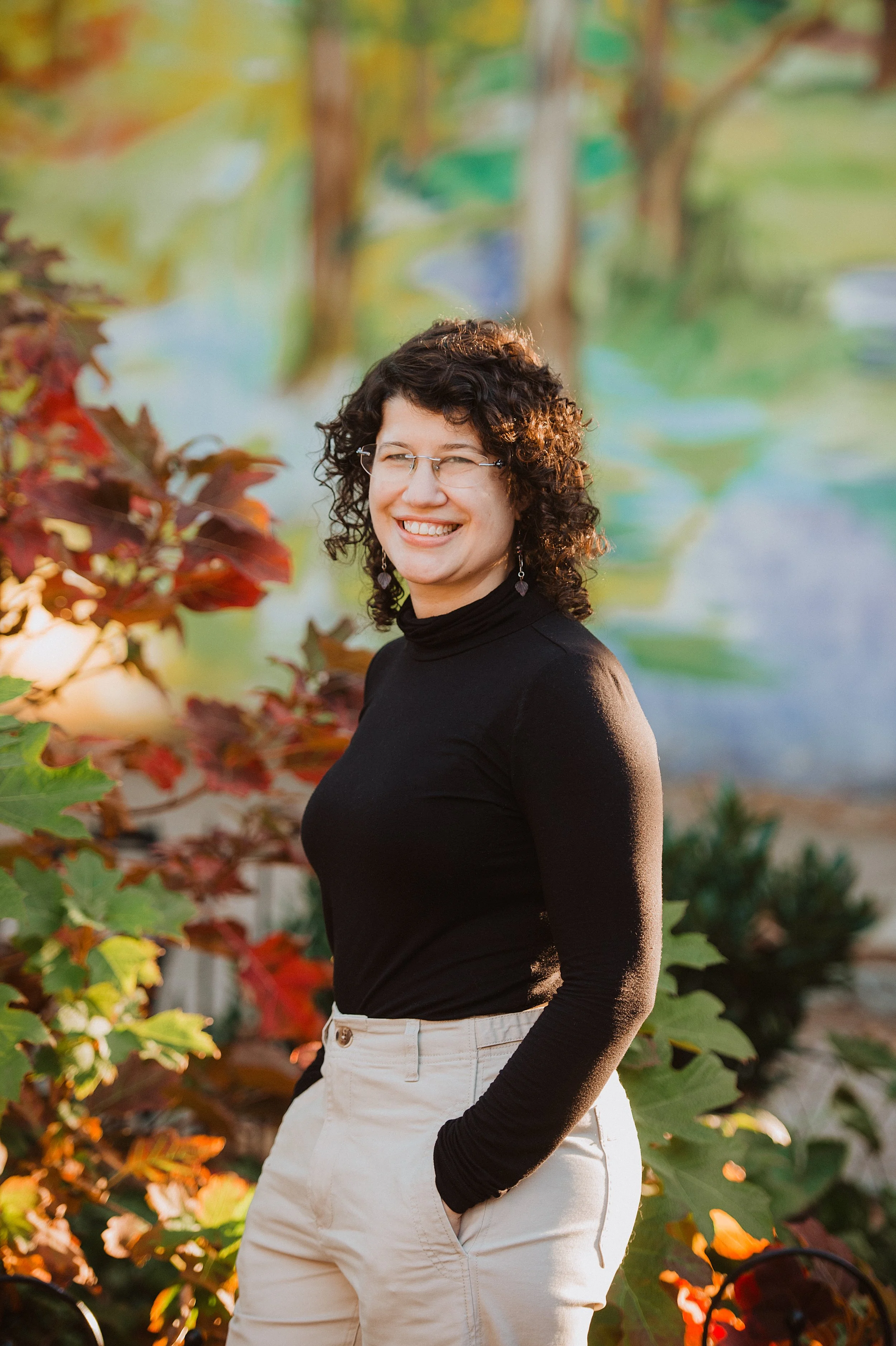
Why Choose My Art Therapy Services?
As a registered and board-certified art therapist with over 15 years in practice, I offer something unique in Pittsburgh’s mental health landscape.
Unlike approaches that pathologize uniqueness, I aim to create a space where you can be your whole self. As a gender-affirming therapist, I combine lived experience and advanced training in eating disorders, OCD, and trauma to support your goals.
As a white, queer, cisgender therapist, I’ll never fully know what it’s like to be you. However, I am committed to meeting you where you are with curiousity and openness. The structures in our world impact us, and I invite conversations about how those societal pressures impact your lived experience.
Art therapy becomes not just a tool for healing but a celebration of your authentic self—acknowledging that your queerness or transness isn't a problem to solve but an integral part of who you are.