In the Media
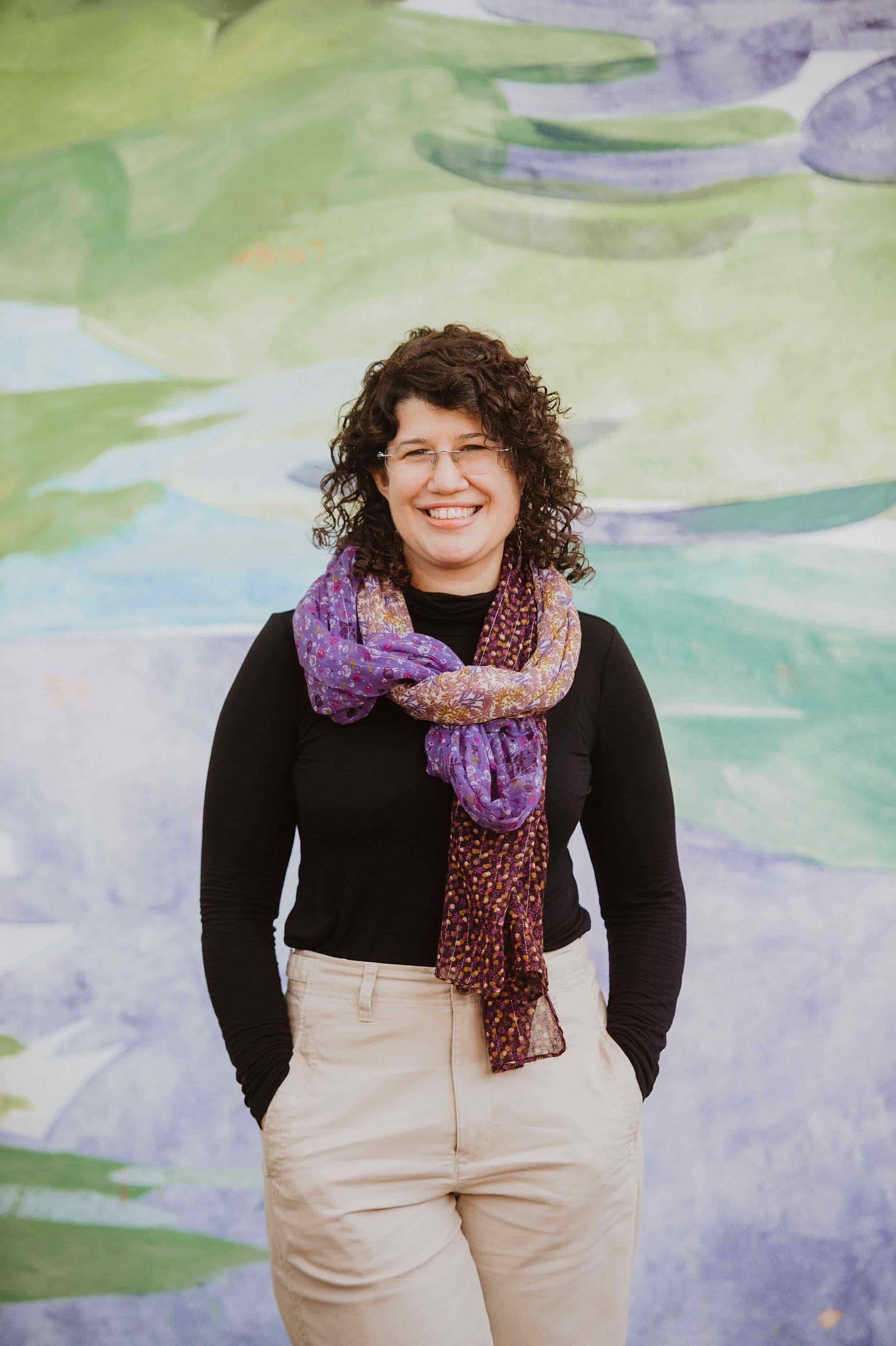
Christine Ruberti-Bruning has been quoted in media publications for her expertise in mental health.
6-26-26
Eating Disorders and Queer Identities: Understanding the Connection
guest blog post by christine ruberti-bruning atr-bc, ceds, lpc
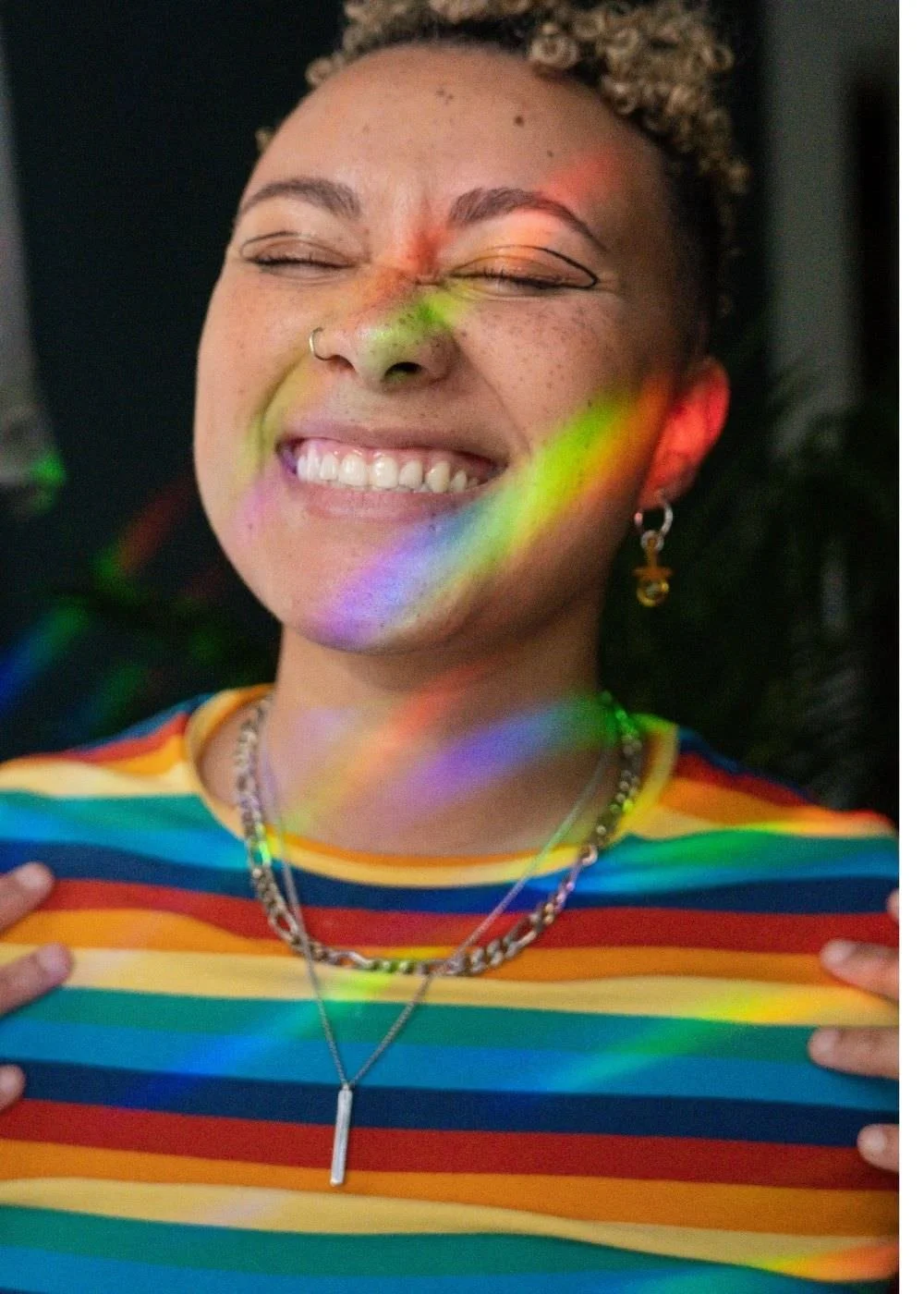
I’ve been having great conversations with Dr. Amy O’Donnell of Nature’s Flow Psychiatry about why eating disorders impact queer people in a significant way. In this blog post, I dive deeper into how oppressive systems put queer people on high alert, and how disordered eating can feel like a way to cope. I explore how recovery is still possible and that body acceptance is needed more than ever.

3-28-26
ARFID vs. Picky Eating: Understanding the Difference
Article by Kathleen ferraro
In this article at Equip, I discuss what ARFID is and how it can impact your relationship with food. ARFID is often a misunderstood as picky eating, but it is so much more than. Unlike other eating disorders, ARFID is not driven by a desire to lose weight. Instead, it can be caused by sensory issue around food, fear of choking and lack of desire around food.

4-3-26
Why We Can't Stop Snacking—Even When We're Not Hungry—According to Psychologists
Article by elizabeth yuko
In this article at Real Simple, I share my thoughts on why folks find themselves overeating or eating past fullness. I point out how food resriction sometimes leads to binging because our bodies are fighting back. Struggles in bodily awarenress and mindfulness are also contributors to overeating for some folks.
3-5-26
What is Looksmaxxing? How the Viral Trend Promotes Toxic Beauty Standards for Young Men
Article by Victoria Stokes
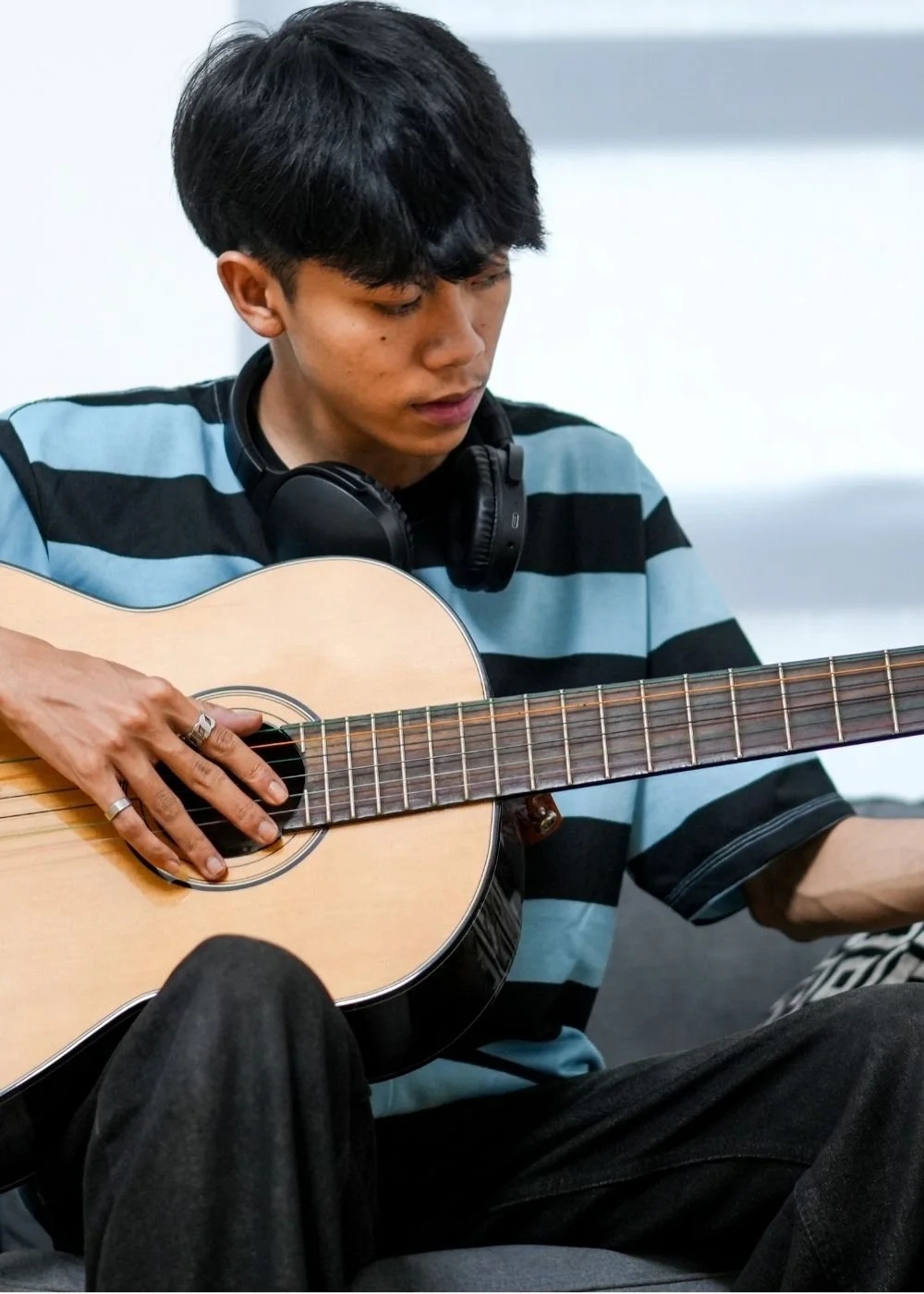
In this article at Healthline.com, I share my insights on the social media trend, ‘Looksmaxxing’, and how it’s affecting young men. Looksmaxxing encourages men to “optimize” their appearance through everything from intense grooming routines to extreme body modification rituals.
This trend perpetuates harmful narratives around masculinity and young men are especially vulnerable during a tumultuous time in our history. Men are at risk for eating disorders, body dysmorphia and internalized shame around their bodies.
2-16-26
Why Art Therapy Can Be Transformative for Queer People with Eating Disorders
post by christine ruberti-bruning atr-bc, ceds, lpc
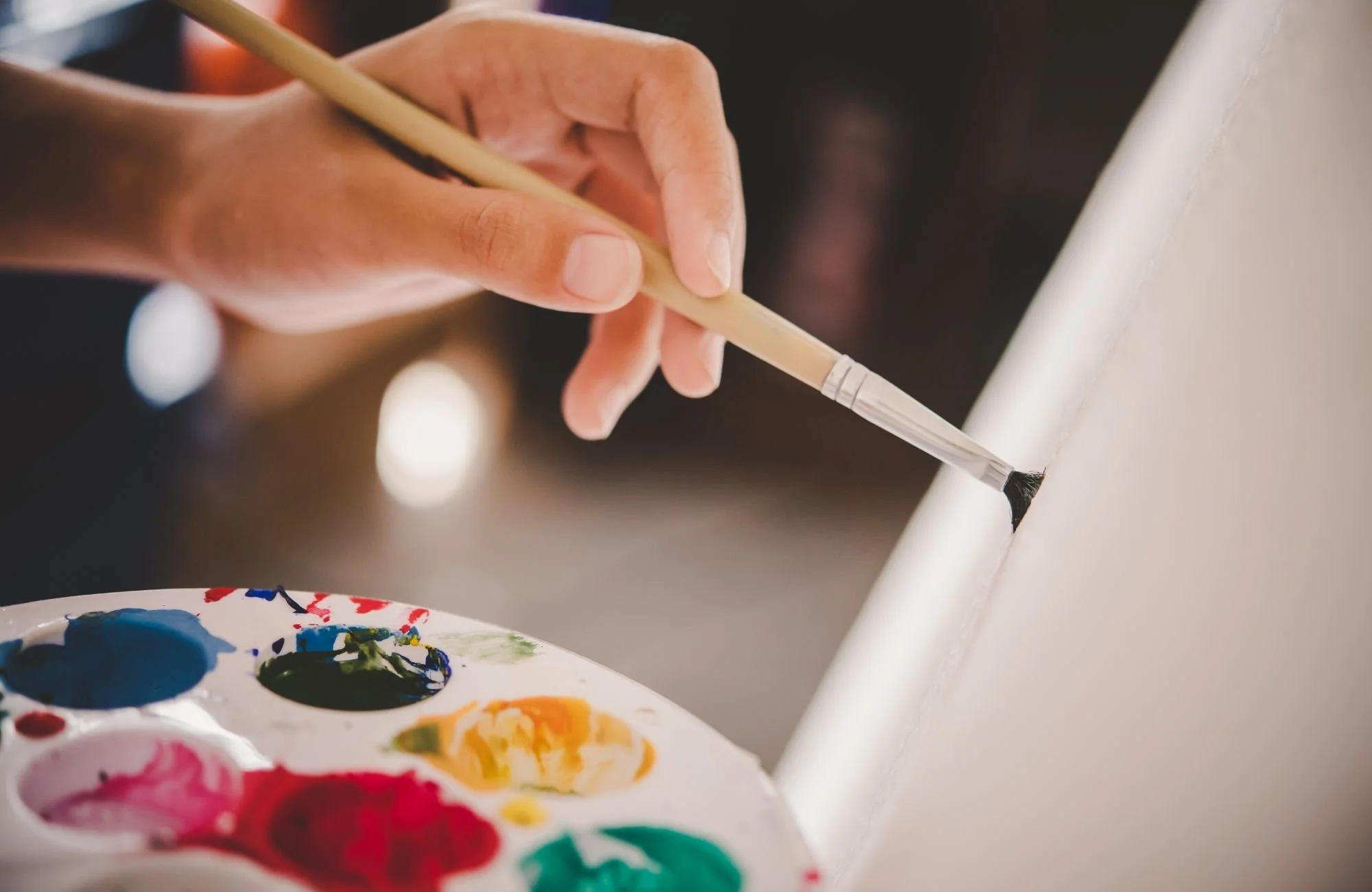
I am proud and honored to be a guest blogger for Arrive Therapy, a queer and trans-centered therapy practice in PA. This blog explores why art therapy is a game-changer for eating disorder recovery and queer affirming care.
12-18-25
What queer people should know about the current backlash to going 'no contact' with family
In this article at Pride.com, I share my insights on why more queer and trans people are going no-contact with their families. The push-back against no-contact from author Meg Robbins doesn’t consider the implications for the LGBTQ community, who may need to set these boundaries to protect their peace. Rifts in family go beyond just a difference in political beliefs, where queer people are judged for who they are at their core.
Get in touch
READY TO TAKE THE NEXT STEP?
I’d love to support you. Use the buttons below to learn more about me and get in touch for a free, confidential consultation.