
My Favorite Art Therapy Supplies for Adults
Is art therapy just for kids?
Art is often associated with childhood, because only a few of us go on to make art beyond elementary school. As adults, we might be apprehensive about art therapy at first, especially if we’re not artistic. It’s normal to feel uncomfortable about making art, and it can still be beneficial even if you’re not an artist. As an art therapist, I try to normalize this feeling which helps me build trust with the people I work with. It got me thinking about some of my favorite art therapy supplies for adults.
Art therapy is incredibly helpful for kids and adults with decades of research to back it up. I use art therapy interventions to help people navigate eating disorder recovery, body image, and trauma. Trauma’s impact on the body and the brain has recently gotten mainstream attention, and art therapy is inherently a mind-body approach. If you consider yourself a thinker or an intellectual, art therapy can be a path to connecting to your feelings in a way that talking may not be able to.
Art materials play a crucial role in the healing aspect of art. I carefully consider the art materials I choose for interventions, and it’s often a collaborative process between me and the client. Someone with perfectionism may benefit from a different art tool than someone who struggles with impulsivity. I often make these decisions based on what’s happening in the therapeutic relationship and how the person is showing up in the therapy room.
A simplified way to approach art materials is thinking about structured art materials versus non-structured materials. You might be someone who needs more structure to tap into your own creativity, or you might benefit from less structure to access your emotions. While there are a lot of nuances to this process, here’s a way to break it down:
Structured Art Materials
1. Colored pencils and graphite pencils
2. Photo Collage
3. Markers
Less Structured Art Materials
1. Soft pastels
2. Paint
3. Clay
Structured art materials can provide a sense of safety and control. I start my art therapy clients with structured materials, regardless of why they are in therapy. Photo collage is especially helpful in easing my clients into the process if they are wary about making art.
Less structured art materials can help facilitate more emotional expression and challenge perfectionist tendencies. Some clients benefit from moving towards unstructured materials in their treatment, while others might find that overwhelming. I have in-depth discussions with clients on what art materials they feel comfortable trying and offer a few choices, so they have a sense of control.
Favorite Art Tool #1 Photo Collage
Photo collage can help you explore thoughts and feelings without having to draw an image. This can be a great entry-point if you feel nervous about making art and want more structure. It can feel intimidating to produce an image entirely from your imagination, and collage can provide inspiration from the outside world.
I keep a bin of pre-cut images and words that can be used to make collages. I will do my best to include a variety of pictures that might be relevant to your journey When adding pictures of people to my bin, I do my best to show a range of body types, race, and genders.
Favorite Art Tool #2 Watercolor Crayons
Watercolor crayons combine structured and unstructured elements, making it a great choice if you’re someone who will benefit from more emotional expression but needs guardrails. You have the option to draw an image in crayon first and then paint it over with water. Watercolor crayons also have a sophisticated look to them, which can be appealing if you feel art might be too childish.
Favorite Art Tool #3 Tempera Paint Sticks
Tempera paint sticks are like watercolor crayons in that they add structure to a fluid media. Tempera paint can produce vibrant, saturated colors and are great for covering large surfaces very quickly. They dry fast and are perfect for layering. If you’re looking to connect to your emotions, tempera paint sticks are great way for you to do that. They can give you the chance to feel more comfortable with water-based media before transitioning to water-color paint.
Favorite Art Tool #4 Tissue paper
One of my favorite art therapy interventions is tissue paper collages. The directive is to rip pieces of tissue paper and glue it onto a large piece of drawing paper to make a collage. It’s a very tactile experience involving ripping, tearing and crumbling. The only supplies I offer are tissue paper, glue and a large piece of drawing paper to hold the collage.
Tissue paper helps us connect to our bodies in the here and now and can be a way to release pent up energy. I often use it to explore anger, which is helpful for people who have trouble accessing their anger. The clients who struggle with disordered eating might suppress their own anger because they feel it’s not “polite”. There can be fear and judgement of having anger in the first place. The tissue paper collage can lead to some insightful conversations around what it’s like to only work with this art material, especially without the option to use scissors.
Favorite Art Tool #5 Oil Pastels
Oil pastels are like crayons, except for richer and creamier. The sensory experience of pressing the oil pastel on the paper can tap into a lot of emotions and memories. I sometimes present oil pastels as “adult crayons” to the clients who want a more sophisticated art material. Oil pastels create thick marks. them a great fit for mixed-media projects. They are often my go-to tool when working with altered books or any project that requires me to draw on a textured surface. I love combining the effects of oil pastels and watercolor to create layers of color that are striking. The water and oil resist each other, allowing the oil pastel marks to stick out in an interesting way.
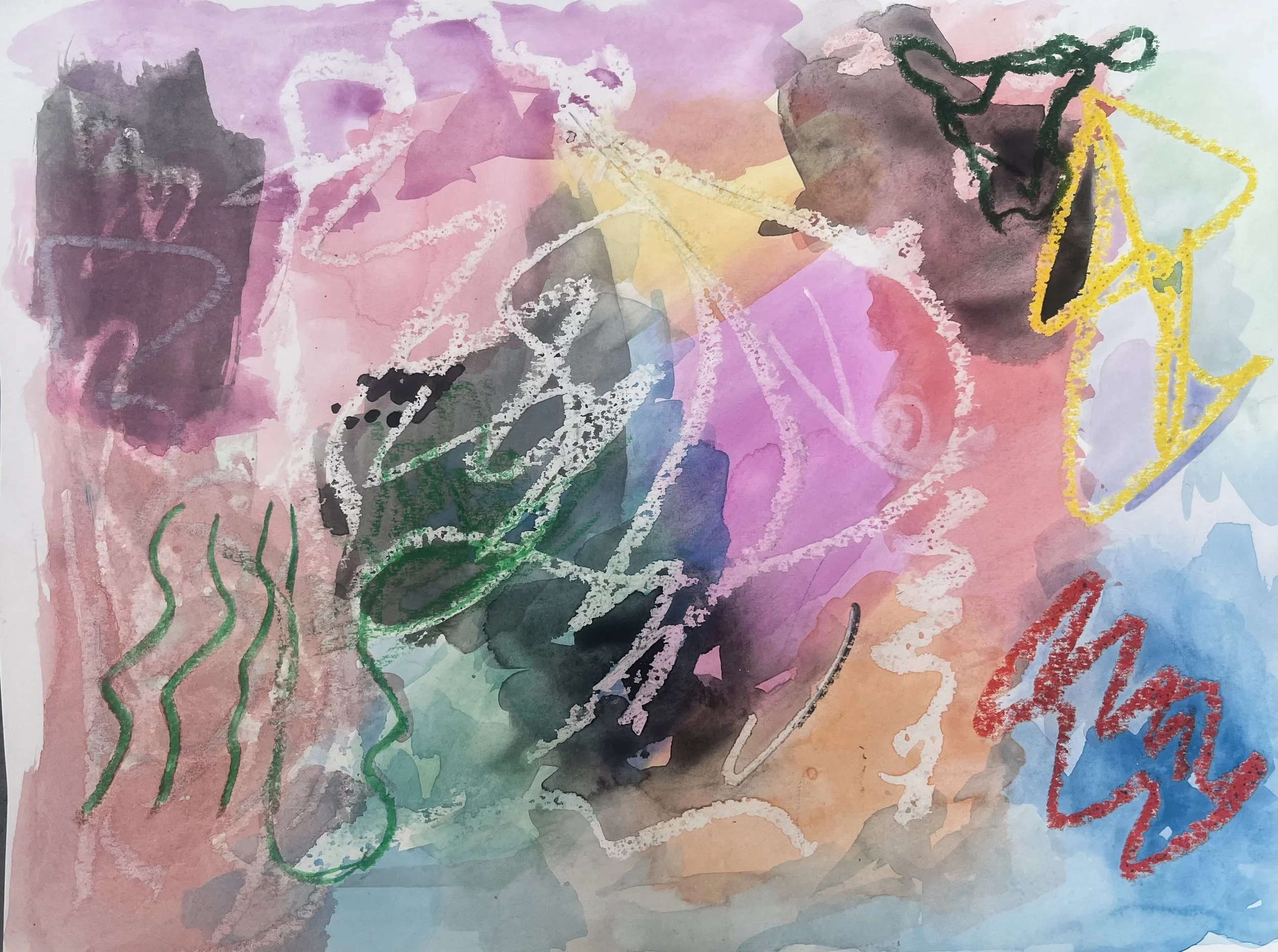
Here’s a picture of a oil pastel and water color drawing that I made.
Treatment for Body Image Issues and Eating Disorder Recovery
A major aspect of recovery is learning to feel your emotions without being overwhelmed by them. Art materials, along with art directives, can help you build emotional tolerance and process your feelings in a way that is less threatening. The sensory aspect of art materials may also help you connect to your bodily sensations in the present moment. The process of externalizing thoughts and feelings can help you get some space and perspective from your thoughts and feelings.
Queer and Trans-Centered Art Therapy
As a queer therapist, I am passionate about helping LGBTQ people find their own inner peace, whether that’s healing their relationship with food or feeling joy in their gender identity. Art therapy is a queer-affirming modality at its core, as it truly centers your unique experience. If you’re a queer person who’s been harmed by diet culture and transphobia, art therapy can help you identify the ways those systems have impacted your sense of self. It can provide a safe space to explore the narratives that don’t’ serve you and to create a new story that feels like yours. Together, we can process grief and anger at the injustice of these oppressive systems and explore what would help you feel more confident in who you are.
Conclusion
Art materials are just one component that goes into an art therapy intervention. The therapeutic relationship, the art directive, and your unique needs are all important factors in art therapy. Art media is used to meet you where you are in treatment to help establish trust and safety. As we move through therapy, I may help you move towards a more expressive art medium if we both feel it could be helpful. My approach to art therapy is consent based, meaning I will never force you to use an art tool you’re not comfortable trying.
Are you curious about art therapy and want to learn more about how I work? Check out my About Page or reach out to schedule a free 20-minute phone or video consultation. We’ll discuss what you’re looking for in therapy, and whether my approach is the right fit for you. I can’t wait to hear from you.
