

IFS Therapy in Philadelphia
Feel lighter.
Find your center.
Come back to yourself.




One part of you wants to heal, but another part is stuck in survival-mode.
IFS therapy can help when you know what you want your life to feel like, but getting there feels overwhelming and impossible. You keep hearing about "finding your true self" or "identifying your values," but those words never quite land. How can you find something you've never really seen clearly to begin with?
IFS offers a gentle path forward if you've spent most of your life twisting yourself into a pretzel to meet everyone else's needs. Saying yes when you wanted to say no. Staying in relationships that drained you. Working hard to be liked, no matter the cost. The idea of facing your past sounds good in theory, but deep down, you're afraid you'll fall apart if you even touch those childhood wounds.
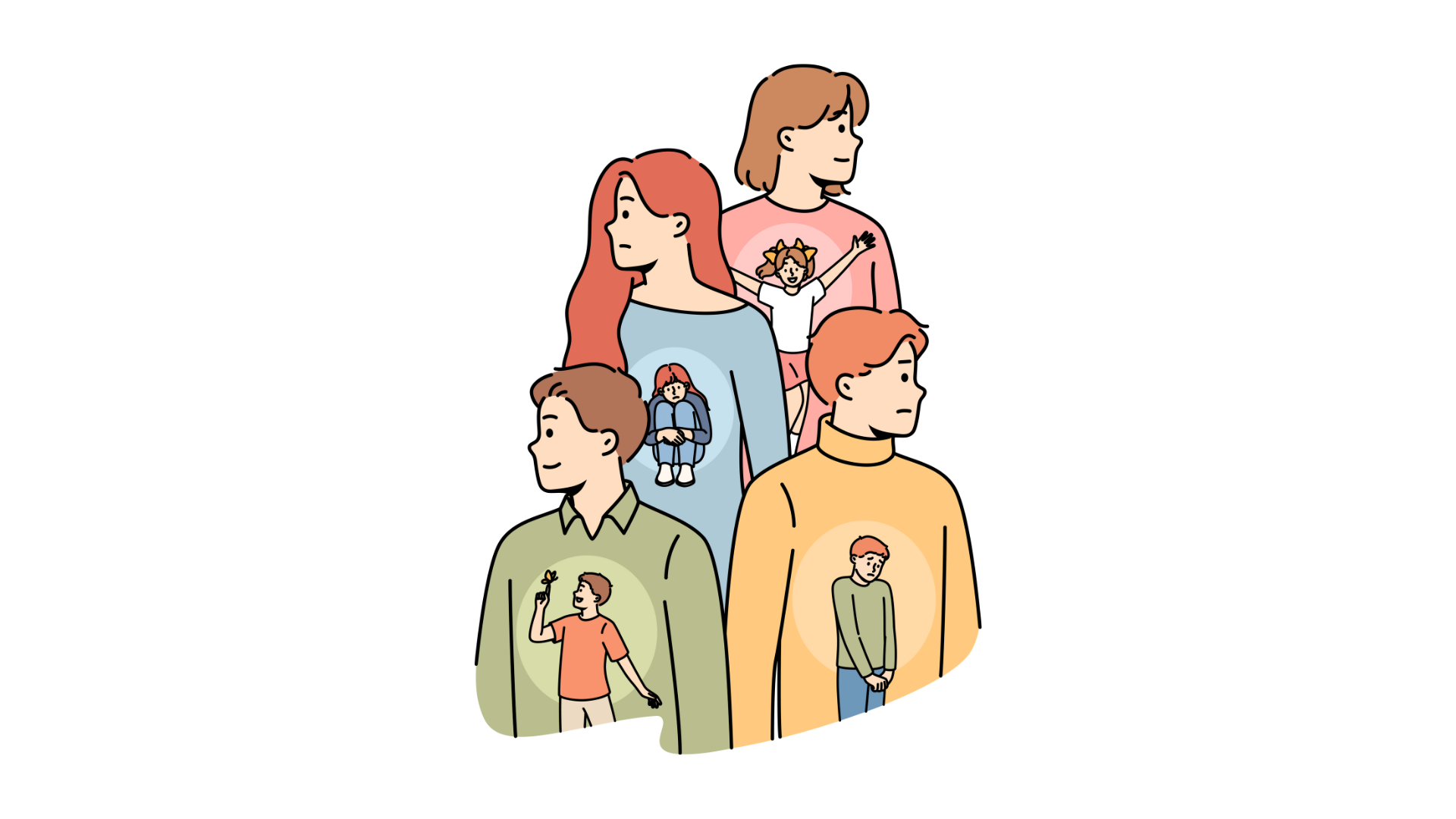
What if the parts of you that feel broken are actually trying to protect you? Internal Family Systems helps you understand those inner patterns and begin to heal from the inside out.
Compassionate Healing for Your Inner World
As a queer-identified therapist specializing in eating disorders and gender-affirming care, I offer Internal Family Systems (IFS) therapy to help LGBTQ+ individuals in Philadelphia find healing and wholeness. My approach honors the layers of your identity while providing a safe space to explore all parts of yourself.

What is Internal Family Systems Therapy?
Internal Family Systems (IFS) recognizes that your mind contains multiple “parts’” that impact your daily life and well-being. In IFS, parts can be emotions, beliefs, memories, or even bodily sensations. At the center of your inner world is your core self, the calm part of you that serves as your wisdom.
Through experiential activities, we’ll get to know your parts, gain their trust, and begin healing the wounds they’ve been protecting.
If you’re into role-playing games, pretend your inner world is a D & D campaign, with your parts as the players and your core self as the Dungeon Master. Or if you work from home, imagine your inner world as a Zoom meeting with coworkers and a boss who is running the meeting. Your parts are your coworkers and your core-self is your boss.
Unlike traditional approaches that may pathologize or label your experiences, IFS therapy honors the wisdom behind even your most challenging behaviors. These reactions are likely in response to some type of trauma or painful event, and serve as a way to protect you from feeling pain. For LGBTQ+ individuals who've faced discrimination, rejection, or identity struggles, IFS offers a non-judgmental framework for understanding and healing all aspects of yourself.

The Core Self: Your Inner Guide
At the heart of IFS is the idea that you have a Core Self—a calm, curious, and compassionate part of you that’s always there, even when life feels messy. In therapy, we’ll help you access that inner wisdom so you can feel more confident and live a life that you feels authentic to who you are.
Understanding Your Parts
Your internal family consists of three main types of parts:
Managers protect you proactively by controlling daily life and preventing emotional pain. They might manifest as perfectionism, people-pleasing, or constant achievement – common patterns I see in my Philadelphia clients working in tech, creative fields, or healthcare.
Firefighters react when Exiles' pain threatens to surface, using extreme roles like binge eating, restriction, substance use, or dissociation to numb emotional suffering. Understanding these parts as protective rather than destructive reduces shame and opens pathways to healing.
Exiles hold painful emotions and memories, often related to rejection, abandonment, or shame. For LGBTQ+ individuals, these parts might carry wounds from coming out experiences, family rejection, or identity-related trauma.

IFS Therapy for Eating Disorders
A lot of eating disorder treatment still centers narrow, heteronormative ideas of recovery, and that can feel isolating. IFS makes room for all of you, including the parts that use food or body control to cope with deeper pain around identity, dysphoria, or self-worth.
Through IFS therapy, we explore:
How Manager parts might use restriction to control gender dysphoria
Ways Firefighter parts use bingeing to soothe rejection wounds
Beliefs Exiles hold about worthiness tied to body image
The intersection of queerness and relationships with food
This approach is particularly effective for trans and non-binary individuals navigating body changes during transition, and anyone whose eating behaviors developed as responses to minority stress. Internal Family Systems helps you develop compassion for all parts engaged in these behaviors, creating sustainable recovery that honors your whole self.

Supporting Partners and Families Through Transition
I also use the IFS model to support individuals whose partners or family members are transitioning. Your internal system might contain parts with conflicting feelings – supporting your loved one while grieving expected futures, managing social concerns, or questioning your own identity.
For parents of trans teens, Internal Family Systems therapy helps navigate complex emotions as different parts of your internal family respond to your child's journey. We work with protective fears, celebratory parts, and those managing family relationships, helping you find balance between supporting your child and honoring your own process.

Trauma-Informed Internal Family Systems
If you’ve faced discrimination, rejection, or harm, it makes sense that certain parts of you are still on guard. IFS takes a gentle, respectful approach to trauma—it won’t push you to dive into painful memories before you're ready. First, we focus on building trust and creating safety inside.
We collaborate with protective parts of your internal family, gaining their trust before approaching deeper wounds from the past. Your parts guide the pace, ensuring healing strengthens rather than overwhelms your internal system. This approach effectively addresses:
Complex trauma from ongoing discrimination
Developmental trauma from unaffirming environments
Acute trauma from violence or abuse
Medical trauma related to transition
Posttraumatic stress disorder symptoms
Integrating IFS with Other Approaches
While Internal Family Systems forms my therapeutic foundation, I integrate complementary modalities to meet your specific needs:

Art Therapy and IFS
As an art therapist, I combine creative expression with IFS techniques, offering non-verbal pathways to connect with your internal family. You might create visual representations of parts, use colors to express Exiles' emotions, or build sculptures representing your internal system. This approach resonates deeply with Philadelphia's creative community.
ERP and Internal Family Systems
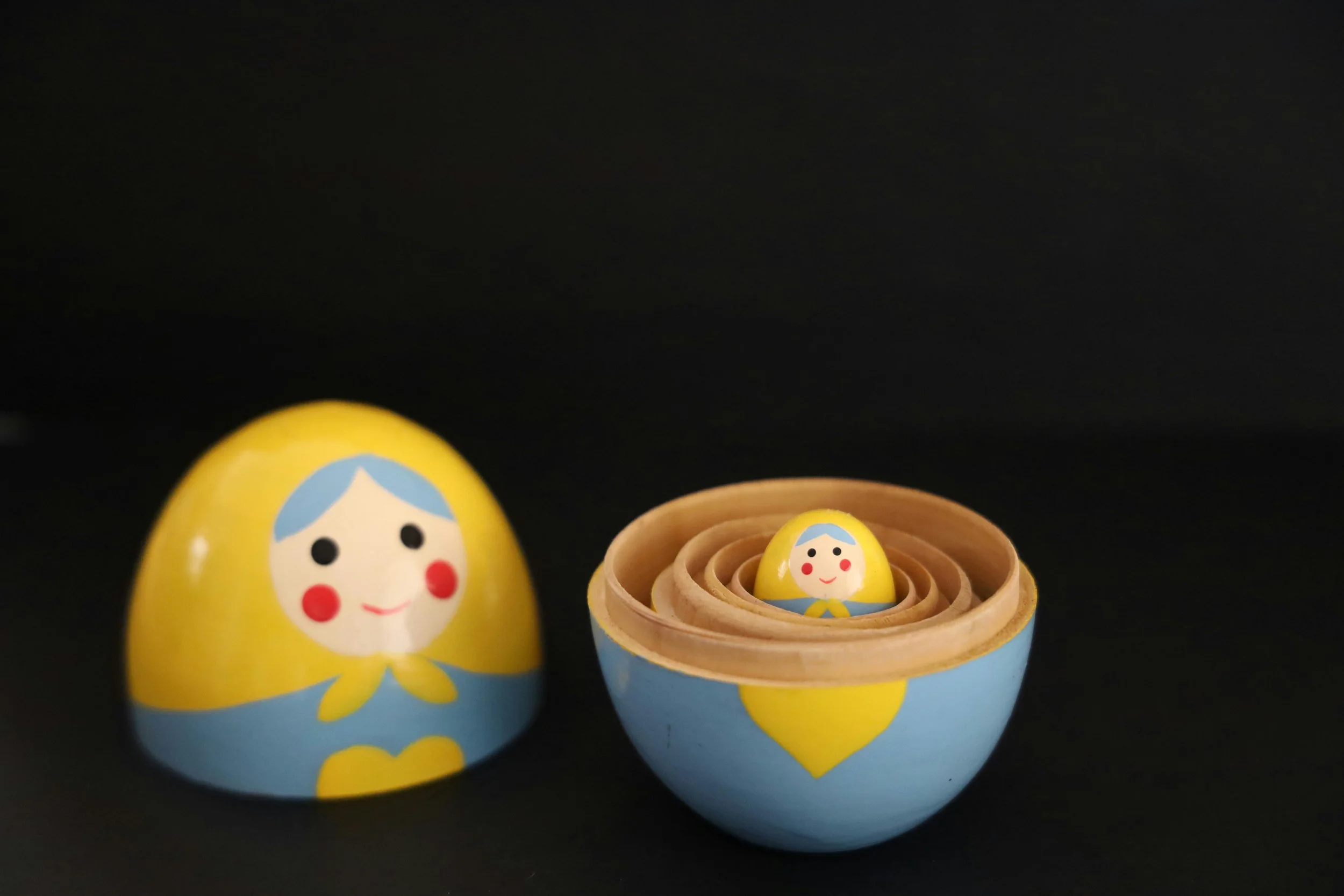
For clients with OCD, I combine IFS therapy with Exposure and Response Prevention, helping you understand parts driving obsessive thoughts while building skills to resist compulsions. This integrated approach addresses both behavioral patterns and underlying parts fueling anxiety.

Psychodynamic and IFS Concepts
Psychodynamic principles deepen our exploration of how early relationships shaped your internal system, examining how attachment patterns influence your parts' strategies for connection and protection.

Group IFS Therapy
I offer Internal Family Systems group therapy for LGBTQ+ individuals seeking community healing. Groups provide opportunities to:
Practice self leadership in relationships
Witness others' internal families
Reduce isolation and shame
Build supportive connections
Learn from diverse healing journeys
Group members often recognize their own parts in others' experiences, creating powerful moments of connection and understanding.
What we’ll work on
IFS therapy can help you…
Process past experiences and memories without needing to share details or retell the story.
Learn compassion towards every part of you, even the parts that bring you shame and create challenges in your life.
Visualize your struggles through metaphor and imagery to understand them with more clarity.
Connect to your inner wisdom so you can face self-doubt and feel more confident in your choices.
Heal childhood wounds so you can be more present in your relationships, career and life.
Stay clear-headed during stressful situations, rather than overeacting or shutting down.

You don’t have to keep stretching yourself thin to feel loved.
IFS helps you build confidence to show up in relationships as your full, authentic self.
Questions?
FAQs
-
Internal Family Systems therapy is effective in addressing a variety of issues including trauma, eating disorders, gender and sexuality exploration, anxiety, and PTSD.
-
There is no set timeline in IFS therapy, and it can often depend on your treatment goals. Some people attend therapy for a 3 months while others are in therapy for 6 months or longer.
-
While both therapy approaches have similar names, they are very different in practice.
Family Therapy involves you and your family meeting with a therapist together. So there’s at least two people in session (including you) or more. Goals in therapy address the relationships and communication between family members.
Internal Family Systems therapy is a form of individual therapy between you and your therapist. The model views your mind as “parts” and aims to help you understand the parts in your inner world.
-
In our sessions, I guide you to notice and connect with different parts of yourself in a gentle, curious way. You might notice a critical voice, a part that numbs out, or a part that feels young and scared. Rather than pushing these parts away, we get to know them and understand what they need. Over time, this process helps you feel more integrated, grounded, and at peace with yourself.
-
IFS can be a powerful tool for eating disorder recovery because it helps you understand the parts of you that drive disordered eating behaviors. Rather than seeing these behaviors as the enemy, we explore what these parts are trying to protect you from. This compassionate approach often leads to deeper, more lasting healing than simply focusing on changing behaviors alone.
-
IFS is more experiential and internal than traditional talk therapy or cognitive behavioral approaches. Instead of analyzing thoughts or challenging beliefs from the outside, IFS invites you to turn inward and connect directly with different parts of yourself. Many clients find this approach feels more embodied and leads to shifts that go beyond intellectual understanding.
-
Yes. IFS is well suited for body image work because it helps you explore the parts of you that criticize your body, the parts that feel shame, and the parts that developed these beliefs in the first place. By approaching these parts with curiosity rather than judgment, you can begin to shift your relationship with your body from the inside out.
-
Absolutely. I use IFS in a way that honors and affirms your identity. For queer and trans clients, IFS can be especially helpful for exploring internalized messages about gender, sexuality, and self worth. It creates space to heal from the impact of living in a world that has not always been affirming, while helping you reconnect with the core Self that exists beneath those wounds.
-
This is a very common concern, and IFS is designed with this fear in mind. One of the core principles of IFS is that we never push you faster than your system is ready to go. We work at your pace, and I help you build a safe relationship with your protector parts before we approach anything painful. You are always in control of the process.
-
Every person and every system is different, so there is no single timeline. Some clients notice shifts in how they relate to themselves within the first few sessions. Deeper healing often unfolds over months as we work with different parts and address underlying wounds. I tailor the pace to what feels right for you and check in regularly about how the work is landing.

What to Expect from IFS Therapy
Free Consultation: Start with a 20-minute phone consultation to discuss your needs and determine if my Internal Family Systems approach aligns with your goals.
Initial Session: We'll explore current challenges, introduce IFS concepts, and begin mapping your internal system. I'll explain how Internal Family Systems therapy can address your specific concerns and what to expect moving forward.
Ongoing Work: Weekly 60-minute sessions provide consistent support for your IFS therapy journey. Some clients prefer 90-minute sessions or twice-weekly meetings for intensive work. Between sessions, you'll receive journal prompts to deepen self-exploration. For OCD treatment, specific ERP exercises integrate with IFS techniques.
Your Unique Process: Every Internal Family Systems journey unfolds differently. Some quickly identify parts while others need time building trust with the IFS model. Your internal system guides the pace and focus of our work together.

Why Choose My IFS Therapy Practice?
As a queer-identified therapist married to a trans woman, I bring both professional expertise and personal understanding to Internal Family Systems work. My unique qualifications include:
Advanced training in eating disorders and gender-affirming care
Expertise navigating the intersection of identity and mental health
Art therapy certification for creative healing approaches
Experience supporting partners and families through transition
Deep commitment to LGBTQ+ community wellness
My relational, experiential approach to IFS therapy differs from traditional CBT methods. Rather than focusing solely on symptom reduction, Internal Family Systems helps you understand and heal the roots of struggles while honoring your full complexity.
Begin Your Internal Family Systems Journey
If you're ready to explore healing through IFS therapy, I invite you to reach out. Whether you're dealing with eating concerns, navigating identity questions, supporting a transitioning loved one, or seeking deeper self-compassion, Internal Family Systems offers a path toward authentic wholeness.
Philadelphia's LGBTQ+ community deserves therapy that celebrates all aspects of identity. Through Internal Family Systems therapy, we'll help your internal family find harmony, with your Core Self leading toward the connected, authentic life you deserve.
Contact me today for your free consultation. Let's explore how Internal Family Systems therapy can support your unique healing journey.
Location:
Philadelphia, PA


Deeply rooted in social justice and inclusivity, Ruberti Counseling Services offers a dedicated sanctuary for the LGBTQ+, transgender, and non-binary communities. The practice specializes in gender-affirming care, helping individuals navigate the complexities of identity, transition, and societal marginalization. By applying an anti-oppressive lens and cultural humility, Christine Ruberti-Bruning supports queer and gender-diverse clients in processing trauma and body image concerns, ensuring that every person feels safe, seen, and empowered to live authentically.