

Queer-affirming therapy for career professionals looking to heal the past and live fully in the now
Treatment for PTSD Therapy | Trauma Recovery | Pittsburgh, PA
Helping LGBTQ people find trauma recovery in Pittsburgh, PA
While Pittsburgh is a queer-friendly city, you might still be subject to daily microaggressions. As a queer person, you may be holding pain from past experiences where you were discriminated or rejected based on your identity.
Maybe you’re a millennial and there was a lack of representation growing up for queer and trans people. You may have experienced subtle (and not-so subtle) messaging that there was something wrong with you. That you weren’t good enough, or that you’re not normal. When you hear the same thing enough times, you start to believe it. These core messages of “wrongness” can start to feel like truth. It can cause you to be on high alert and feel extra sensitive to how you’re perceived.
You don’t need “fixing” because you’re not broken.
Are you in a queer or trans person in Pittsburgh, seeking recovery from trauma?
LGBTQ people are vulnerable to feeling shame, having to deal with systemic transphobia and homophobia that is baked into so many areas of life.
Maybe you’re dealing with
Anti-LGBTQ laws and messaging have you feeling like there is something wrong with you, and that you don’t deserve love.
Difficulty saying ‘no’ and setting boundaries, causing you graviate to relationships that are unfulfilling.
Disordered eating such as calorie counting, skipping meals, emotional eating, and binge eating.
Difficulty sleeping, nightmares, and racing thoughts at night.
Fear of leaving the house or going out in public due to being harassed or targeted for your identity.
Grief and depression over losing certain family members or friends due to coming out.

Types of Trauma I Treat
Complex PTSD Therapy for LGBTQ Individuals
-
Complex PTSD can be a result of ongoing childhood abuse, sexual trauma, and domestic violence. Some queer and trans people are at risk of experiencing trauma from growing up in high-control environments, religious trauma, and shame.
Trauma Therapy for Eating Disorders
-
Maybe the gender expectations from society have put pressure on you to have a certain body type in order to feel more feminine or masculine. Perhaps you’re non-binary and there is an unspoken pressure to achieve a certain aesthetic even from the queer community.
If you’re trans, maybe you want to pass as cisgender in order to feel safer going out in public. Or maybe the desire to pass is because you’re constantly told women need to be thin in order to worthy. Whatever your experience is, the idea of eating disorder recovery feels scary because it’s taking away something that has been a survival skill.
Relationship Trauma and Attachment Wounds
-
People-pleasing and difficulty trusting people can actually be trauma responses. Trauma therapy can help you understand those patterns and build relationships rooted in genuine safety, rather than survival.
Identify-Affirming Therapy for Minority Stress
-
Some families might disown their children or refuse to use the correct pronouns. Queer and trangender people might experience job loss and feel more scrutinized in the workplace compared to their cisgender peers.

therapy that fits your life
Online PTSD Therapy and Trauma Recovery in Pittsburgh, PA
Busy work schedules and college classes might make it hard to get to in-person therapy sessions on a weekly basis. If you’re trans and early in your gender journey, you might not feel ready to be out in the community just yet. Perhaps you get overwhelmed when you rush around to places, and your nervous system benefits from being in your own space. Online trauma therapy can be a great fit for meeting your needs from the comfort of your own home.
a new approach to trauma recovery
As a queer therapist, I offer identify-affirming trauma therapy to LGBTQ folks who are holding a lot of emotions from their past.
I use mind-body approaches such as art therapy and internal family systems/parts work to help you access your inner world in a way that feels safe. You don’t need to remember the details of your past or share memories to find healing.
Together we’ll
Develop tools and strategies to manage your feelings and calm your body whenever you feel overwhelmed
Check in regularly throughout sessions to see how your nervous system is feeling and pause whenever the work is feeling too activating
Identify body sensations you’re experiencing and use that information to track parts
Draw images of your emotions and body sensations so you can understand them more clearly
Connect with parts of you that feel shame from a place of compassion and curiosity
Access your core strengths to help you develop more confidence and self-trust
While we can’t erase what happened to you, we can change the narrative you have about yourself
What we’ll work on
Specialized trauma therapy can help you…
Choose relationships where you feel supported and let go of the ones that drain your energy.
Increase self-confidence, set clear boundaries, and build a future rooted in what really matters to you.
Handle daily stress with more ease and stay grounded when emotions feel intense.
Let go of shame so you can breathe easier, find joy in the simple moments, and live in the here and now.
Release the tension in your body so you can relax and feel more comfortable in your own skin.
Explore new interests, revisit old passions, and reconnect with your values.

Is trauma therapy right for you?
My approach is a good fit for:
Pittsburgh queer and transgender teens and adults struggling with identity-based trauma
Folks looking for creative and mind-body approaches to trauma like art therapy and IFS
Individuals recovering from narcissistic abuse, complex trauma, and attachment wounds
Career professionals and neurodivergent individuals struggling with work/balance, burnout, and perfectionism People who either shut down during talk therapy or find verbalizing too overwhelming
Teens ages 12 and up who struggling with self-harm, anxiety, and body image issues

You deserve more than just survival.
Let's build the confidence you need to live life to the fullest.
Questions?
FAQs
-
While my office is located in Philadelphia, PA, I offer online therapy sessions for people in Pittsburgh. The virtual approach offers more flexibility for your busy schedule and may feel safer if you prefer to do therapy from home.
-
Yes, trauma therapy can be just as effective when done online. As a licensed therapist, I listen closely and pay attention to your voice and facial expressions so I can attune to your emotions in sessions. Online therapy has the unique advantage of using your space as way to practice coping strategies and nervous system work. If you’re experiencing severe trauma symptoms like suicidal thoughts, you may benefit more from in person sessions. It all depends on how severe your symptoms are and how you’re able to manage them.
-
I offer gender affirming trauma therapy online in Pittsburgh. I have years of experiencing helping transgender, non-binary, and gender expansive individuals heal identity-based trauma, medical trauma, and complex PTSD. Social justice guides my practice where I pay attention to how systems have harmed you and how they’ve impacted your gender journey.
-
Some traditional trauma therapies are not neurodivergent therapy due to reliance on exposure therapy which can overwhelm the nervous system. Trauma therapy can be adapted by going at a slower pace and using non-verbal ways to process trauma. I use Internal Family Systems and Art Therapy, which are neurodivergent affirming at their core because they integrate mind-body work and don’t require you to share memories. Both therapies use creative and experiential approaches that don’t rely on verbal processing.
-
Identity based trauma is caused by stress and emotional pain inflicted by discrimination, invalidation and microaggressions based on your identity. Identity-based trauma can cause internalized shame, leading people to believe the negative messaging they’ve received from the world.
My approach to identity-based trauma is to help you name the messages you’ve absorbed by society and separate them from your core self. Together we’ll unpack how oppressive systems have harmed you and build confidence to live life on your terms.
-
It depends on the type of trauma you have and your unique goals. Internal Family Systems (IFS) or parts work is known to be helpful for complex trauma and relational trauma. I use IFS and art therapy to help people heal from trauma.
-
Trauma therapy sessions will initially focus on ways to help you cope with strong emotions and sooth your nervous system. This is to ensure you feel safe and grounded enough to navigate the deeper work.
I use an Internal Family Systems approach by helping you see your thoughts, feelings, and memories as parts. The goal is to heal the emotional wounds of your past and help you reconnect with your core self.
-
Therapy tends to be longer term but it all depends on your needs. I recommend trying to meet on a weekly basis for it to be the most benefical.
I frequently check in on how therapy is going, which helps us stay focused on what your top priorities are in sessions.
Sometimes goals/needs change in therapy, or you might realize that something is missing in sessions. I always center your needs in treatment and encourage feedback on what’s working for you and what’s not working.
-
It can be a big leap to make that first appointment! There are no guarantees, but here are some things to look for.
You’ve been in therapy before and are looking to do deeper work.
You want an approach to therapy that is more relational.
You’re interested in a different approach than talk therapy.
You’re open to longer term therapy.
You feel stuck in old patterns that you’re hoping to change.
You’re not sure if you have trauma but nothing has seemed to work and you can’t feel better.
-
You can schedule a consultation by booking online. I’ll reply to your email within 1-2 business days (not on weekends). From there, we’ll pick a day and time that works for both of us.
After the phone call, if it’s a good fit, we can schedule that first appointment. You will receive an email to set up your client portal and complete the intake paperwork online. Once all of the forms are completed, your appointment will be confirmed.
-
You might benefit from trauma therapy if you find yourself feeling constantly on edge, struggling with sleep, experiencing intrusive memories, or noticing that past experiences are affecting your relationships, work, or sense of self. Trauma does not always stem from one large event. It can also develop from ongoing experiences of invalidation, rejection, or feeling unsafe over time.
-
I work with a wide range of trauma experiences, including childhood trauma, relational trauma, identity-based trauma, and experiences related to coming out or navigating life as an LGBTQ+ or transgender person. I also support clients processing grief, medical trauma, and difficult family dynamics.
-
Trauma therapy is more focused on understanding how past experiences are affecting your present life and helping your nervous system find safety again. While general therapy might address current stressors or relationships, trauma therapy goes deeper into the roots of patterns that developed as ways to protect yourself.
-
Yes. As a queer identified therapist, I specialize in providing affirming care for LGBTQ+ and transgender individuals. I understand that trauma often intersects with experiences of discrimination, rejection, or the challenges of living authentically in a world that is not always accepting. You will not have to explain or justify your identity in our work together.
-
That is completely okay. Trauma therapy does not mean diving into painful memories before you are ready. A significant part of our work together involves building safety, trust, and coping skills first. I follow your lead and we will never push into territory that feels overwhelming without the tools to support you.
-
Yes. Anxiety, hypervigilance, and sleep difficulties are common ways that trauma shows up in daily life. Trauma therapy addresses the root causes of these symptoms rather than just managing them on the surface. Many clients notice improvements in sleep, mood, and overall sense of calm as they progress in their healing.
-
Traditional eating disorder treatment often assumes a cisgender, heteronormative experience that doesn't fit many LGBTQ+ individuals' realities.
For trans and non-binary individuals, body image work involves additional considerations. Food restriction might simultaneously manage gender dysphoria, attempt to achieve an affirming body shape, and cope with chronic trauma from discrimination. My trauma therapy approach recognizes these nuances rather than applying generic recovery models.
If you're navigating medical transition while addressing disordered eating and PTSD symptoms, we'll work together to distinguish between healthy body changes and harmful behaviors. This requires nuanced understanding that many practitioners lack—expertise I bring to every session.
-
Trauma can impact your sense of self and force your nervous system to act in survival-mode. Traumatic experiences can leave you with feelings of shame, guilt and worthlessness that can negatively affect your relationships and career. Daily stressors may seem more threatening because your brain is stuck in flight or fight mode.
Why Choose My Trauma-Focused Therapy Practice
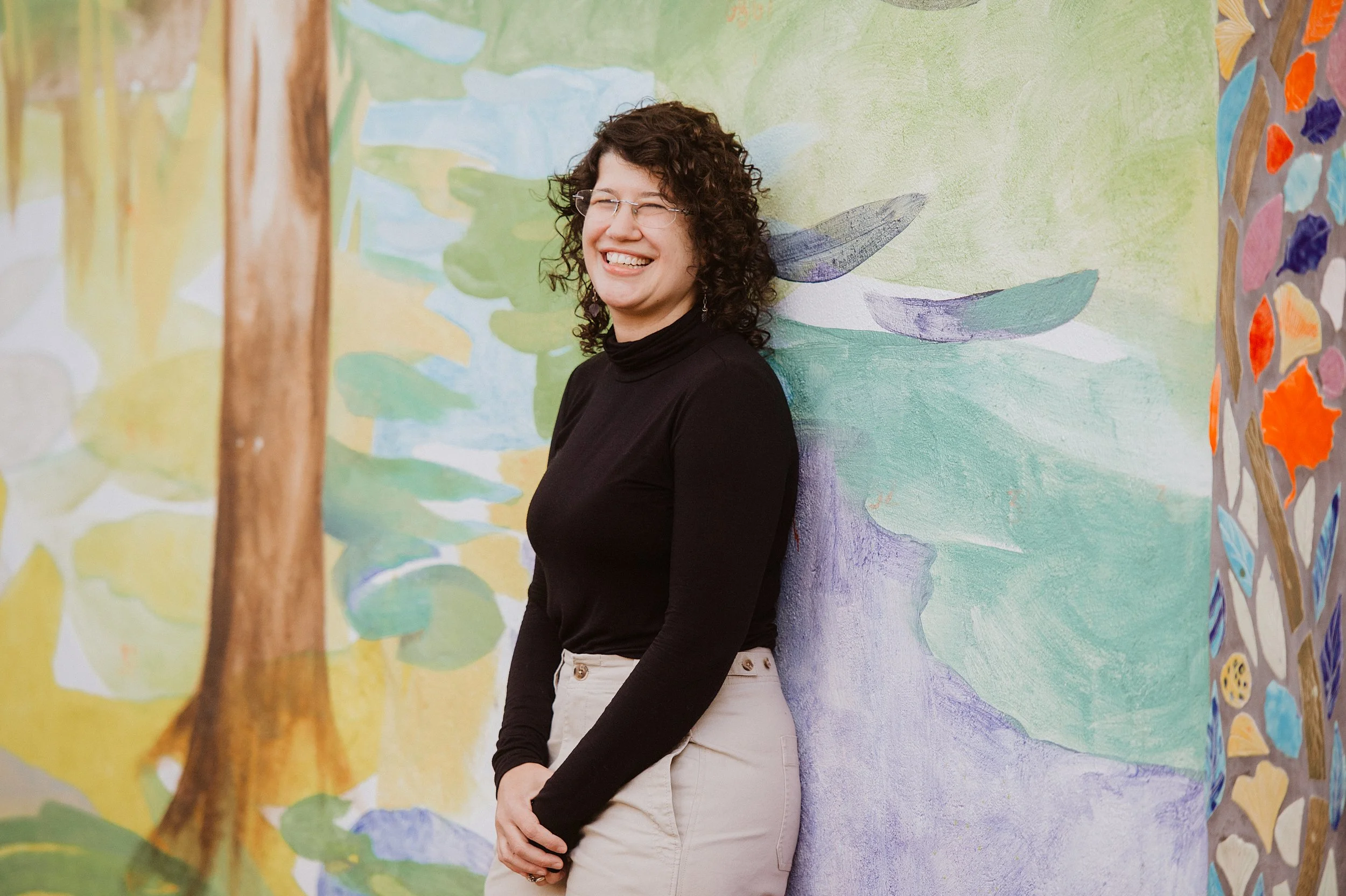
My unique combination of being a queer-identified therapist with advanced training in both eating disorders and gender-affirming care means I understand the complex intersections of identity and trauma that many therapists miss. My relational, experiential approach through IFS, art therapy, and psychodynamic work offers alternatives to traditional CBT models that may feel too clinical or disconnected from your lived experience.
You deserve trauma therapy that doesn't require you to educate your therapist or defend your identity. You deserve care that recognizes how systemic oppression, family rejection, and identity-based discrimination create genuine traumatic experiences requiring specialized treatment.

Ruberti Counseling Services provides expert clinical support for individuals aged 12 and up struggling with disordered eating, body image issues, and obsessive-compulsive challenges. As a Certified Eating Disorder Specialist (CEDS), Christine Ruberti-Bruning implements weight-inclusive and "Health at Every Size" (HAES) aligned treatments that move beyond simple behavior modification. For those facing OCD and anxiety cycles, the practice incorporates evidence-based Exposure and Response Prevention (ERP) to help clients break free from intrusive thoughts and reclaim control over their daily lives.